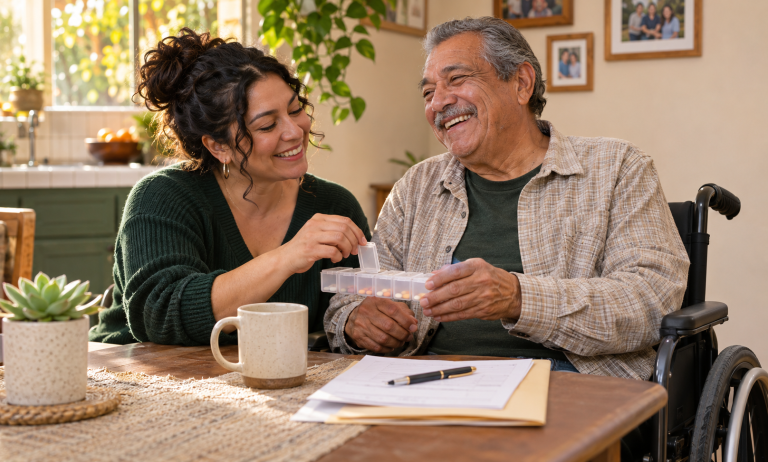
If your child or family member has a developmental disability, a regional center can be one of the most important places to know. Regional centers help nearly half a million Californians, from babies with early delays to adults living on their own.
Here’s what they do, who qualifies, how to find yours, and what to do if the answer is no.
At a glance
California’s regional centers
- 21regional centerscovering every county
- 487,114people servedstatewide, FY 2025–26
- 54,837babies and toddlersin Early Start, FY 2025–26
- $0to be assessedfor eligibility
Figures from the Department of Developmental Services, May 2026.
What a regional center is
California has 21 regional centers. Each is a private nonprofit that contracts with the state Department of Developmental Services(DDS) to serve people with developmental disabilities in a set area. Regional centers don’t provide most services themselves. They decide who’s eligible, plan services with each person and family, pay for services when no one else will, and connect families with local programs.
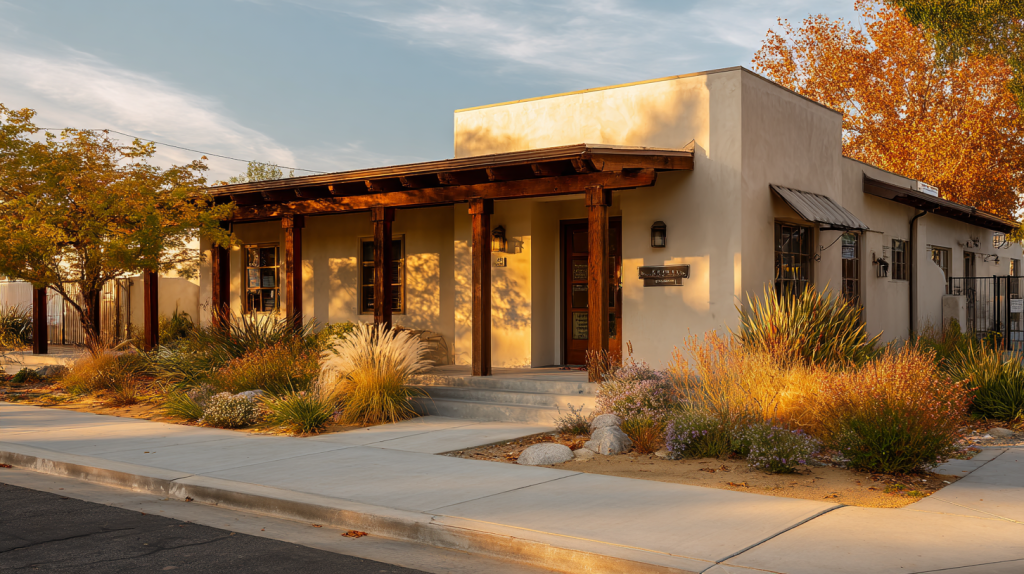
Each eligible person gets a service coordinator. That person is your main contact and helps write and update your plan: an Individualized Family Service Plan (IFSP) for children under 3, or an Individual Program Plan (IPP) for everyone else.
Find your regional center
You’re served by the regional center for the area where the person with a disability lives. Pick your county below.
Find your regional center
Choose the county where the person with a disability lives.
Seven regional centers serve Los Angeles County, each covering different neighborhoods. Find yours by address with the DDS regional center lookup, or call the closest one below.
Your regional center’s contact details will show here.
Main office details from the Department of Developmental Services’ regional center directory. Many regional centers also have branch offices; check their website for the one nearest you.
You can also browse all California regional centers on IHSS Connect, or read our in-depth guide to Alta California Regional Center.
Who qualifies and how to apply
- Under age 3: babies and toddlers with a developmental delay, or at risk of one, may qualify for Early Start.
- Ages 3 and 4: children can qualify provisionally, based on significant delays, without a final diagnosis.
- Age 3 and up: people qualify if they have a substantial disability that began before age 18 and is expected to continue, such as intellectual disability, cerebral palsy, epilepsy, or autism, or a closely related condition.
To apply, call your regional center and ask for intake. Bring any records you have, like medical reports, school evaluations, or therapy notes. Once intake starts, the regional center usually has 120 days to decide eligibility, or 60 days if waiting would put health or safety at risk.
Worth knowingThere’s no charge for the eligibility assessment. Once someone is eligible, most services are free regardless of age or income. There are two exceptions: some services can carry a family co-payment, and parents may share costs if a child under 18 lives in 24-hour care outside the home.
What regional centers help with
Services are based on each person’s needs and goals, and they’re written into the IPP or IFSP. Depending on age and needs, they can include:
- Early intervention, like speech, physical, and developmental therapy for babies and toddlers
- Respite care so family caregivers can rest
- Behavioral services
- Day programs, job training, and supported employment
- Independent and supported living
- Personal assistance and other in-home support
- Transportation, assistive technology, and medical equipment
Worth knowingSince July 2021, every eligible person in California can choose the Self-Determination Program. Instead of using the regional center’s vendors, you get an individual budget, write a spending plan, and choose your own providers and supports, with a financial management service handling payments. Ask your service coordinator about the required orientation.
Regional centers and IHSS
Many families use both. IHSS pays a caregiver for in-home help, and the regional center coordinates everything else.
Worth knowingRegional centers must first use other sources that can pay for a service, like private insurance, Medi-Cal, school districts, or IHSS. That’s why your service coordinator may ask you to apply for IHSS before the regional center funds in-home help. See what IHSS covers
Learn more: What Is IHSS?, WPCS: Caregiving Through a Regional Center Waiver, Understanding Respite Care, and A Parent’s Guide to California’s Support System for Children with Disabilities. Need a caregiver? Search caregivers on IHSS Connect for free.
If the regional center says no
You have the right to appeal decisions about eligibility and services. You can ask for an informal meeting, mediation, or a fair hearing before a judge.
FlagWhen a regional center denies eligibility or denies, reduces, or ends a service, it must send a written Notice of Action. To keep current services while you appeal, appeal within 30 days and before the change takes effect. You have 60 days to appeal at all. To be safe, count from the date on the notice. Read our regional center appeal guide
How regional centers began
Regional centers grew out of a movement led by families who wanted their loved ones to live at home, not in crowded state institutions. Two pilot centers opened in 1966, and the 1969 Lanterman Act expanded them statewide. Today, the Lanterman Act gives Californians with developmental disabilities a right to services and supports. See the full timeline in our Alta California Regional Center guide.
Sources
Sources
- Department of Developmental Services — Information About Regional CentersWhat regional centers do; nonprofit status; costs and exceptions
- DDS — Regional Center Directory, FY 2025–27 (PDF)All 21 regional centers, main offices, phones, and areas served
- DDS — May Revision Highlights, 2026 (PDF)487,114 people served and 54,837 in Early Start, FY 2025–26
- DDS — Eligibility AssessmentsEligibility; Early Start; provisional eligibility for ages 3–4; no charge for assessment
- Disability Rights California — Rights Under the Lanterman Act, Chapter 2120-day eligibility decision, or 60 days when health or safety is at risk; appealing a denial
- Disability Rights California — What Is the Self-Determination Program?Statewide since July 2021; budget, spending plan, financial management services
- Association of Regional Center Agencies — History of the System1966 pilot centers; Lanterman Act signed 1969; growth to 21 centers
- Alta California Regional Center — ServicesExample of service coordination, IPP and IFSP, and using other resources first
The Department of Developmental Services is the primary authority. Disability Rights California explains families’ rights under the Lanterman Act.
About this article
This guide explains what California’s regional centers do, who qualifies, how to apply, and how to appeal. It replaces our April 2026 overview with current figures, a finder for all 21 regional centers, and more detail on rights and costs.
IHSS Connect is an independent, free registry for families and caregivers. We are not part of any state agency, county, or regional center, and this article is general information, not legal advice.
Spot something out of date? Let us know and we’ll check it.