
For families navigating developmental disability services in Northern California, the Alta California Regional Center (ACRC) plays a vital role in providing support, guidance, and access to life-changing resources. As one of California’s 21 regional centers, ACRC helps individuals with developmental disabilities live more independent, connected, and meaningful lives.
Whether you’re new to the system or looking to better understand what ACRC offers, this guide will walk you through who they are, what they do, and how to connect with them.
What Is Alta California Regional Center?
The Alta California Regional Center is a nonprofit organization contracted by the California Department of Developmental Services (DDS) to coordinate services for individuals with developmental disabilities. These may include autism, cerebral palsy, epilepsy, intellectual disabilities, and other qualifying conditions.
Rather than providing direct services, ACRC acts as a service coordinator and advocate, helping individuals and families access the right mix of supports—ranging from therapy and respite care to housing assistance and employment services.
A Brief History of ACRC
The Alta California Regional Center (ACRC) was established in 1970 during a transformative period in California’s approach to supporting individuals with developmental disabilities. Its creation followed the passage of the Lanterman Developmental Disabilities Services Act of 1969, a landmark piece of legislation that fundamentally reshaped how services were delivered across the state.
Before the Lanterman Act, many individuals with developmental disabilities were placed in large state institutions, often isolated from their families and communities. The Act introduced a new philosophy—one centered on community-based care, individual rights, and inclusion. It guaranteed that eligible individuals in California would have access to services and supports that allow them to live more independent and integrated lives.
ACRC was among the early regional centers formed to bring this vision to life at the local level.
In its early years, ACRC served a much smaller population, primarily focused in Sacramento. As awareness, diagnoses, and eligibility expanded—particularly with the recognition of autism spectrum disorders—the center grew significantly in both size and scope. Today, ACRC supports tens of thousands of individuals across a wide and geographically diverse region.
Throughout the 1980s and 1990s, ACRC, along with other regional centers, played a key role in California’s broader deinstitutionalization movement, helping individuals transition out of state-run facilities and into community-based living environments. This shift required not only new services, but also the development of local provider networks, housing options, and family support systems.
As the system evolved, ACRC adapted to meet increasingly complex needs. The introduction of Individual Program Plans (IPPs) allowed services to become more personalized, giving individuals and families a stronger voice in shaping their care. Later, early intervention programs expanded support for infants and toddlers, recognizing the importance of developmental services from a young age.
In more recent years, ACRC has continued to evolve in response to changing community needs. This includes:
- Expanding culturally competent services to better serve diverse populations
- Increasing language access for families across multiple communities
- Integrating technology to improve communication and service delivery
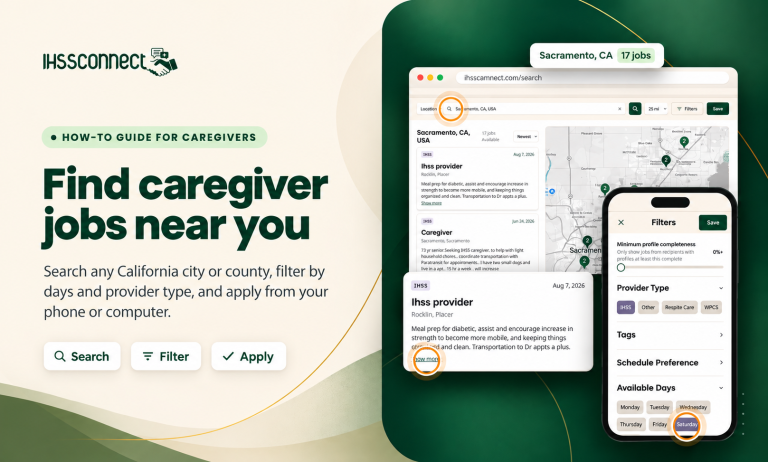
- Supporting workforce development in caregiving and service provider roles
ACRC has also been part of statewide efforts to address disparities in access to services, particularly for underserved communities. These initiatives aim to ensure that all individuals—regardless of background, language, or location—can fully benefit from the supports guaranteed under the Lanterman Act.
What makes ACRC especially unique is the geographic diversity of the communities it serves. From the urban center of Sacramento to rural mountain counties like Alpine and Sierra, the organization has had to continuously innovate to deliver consistent, high-quality services across very different environments.
More than five decades after its founding, ACRC remains grounded in the original promise of the Lanterman Act: that individuals with developmental disabilities have the right to live full, self-directed lives as active members of their communities.
Areas Served by ACRC
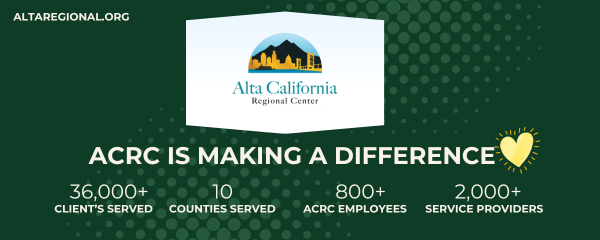
ACRC serves a wide portion of Northern California, covering both urban and rural communities. This includes:
- Sacramento County
- Yolo County
- El Dorado County
- Placer County
- Nevada County
- Sierra County
- Alpine County
- Colusa County
- Sutter County
- Yuba County
This region spans everything from the state capital of Sacramento to small mountain communities, making ACRC uniquely positioned to support individuals across a wide range of environments and needs.
How ACRC Supports the Community

ACRC plays a critical role in shaping stronger, more inclusive communities. Their services are highly individualized and designed around each person’s goals and needs.
Support may include:
- Early intervention services for infants and toddlers
- Individual Program Plans (IPP) for ongoing services
- Independent living and supported living services
- Employment and vocational training
- Behavioral services and therapies
- Respite care for families
- Crisis intervention and support
Service coordinators work closely with families to ensure services are not only accessible—but meaningful and effective.
Why ACRC Matters
For many families, ACRC is more than just a service coordinator—it’s a long-term partner. From early childhood through adulthood, the center provides continuity of care and helps individuals navigate major life transitions.
ACRC also plays a key role in equity and access, working to ensure services reach underserved communities through language access programs and culturally competent outreach.
This is especially important in a region as diverse as Northern California, where geography, language, and access barriers can otherwise limit support.
Community Insights & Interesting Facts
The region served by ACRC is one of the most geographically diverse in California. Families live in everything from dense urban neighborhoods in Sacramento to remote mountain towns with limited access to services.
This has led ACRC to develop innovative approaches to service delivery, including:
- Expanding remote and telehealth-based services
- Increasing multilingual support for families
- Partnering with local organizations to reach rural communities
- Supporting workforce development for caregivers and providers
These efforts help ensure that support is not limited by location.
How to Contact ACRC
If you or a loved one may be eligible for services, reaching out is the first step.
Main Office
Alta California Regional Center
2241 Harvard Street, Suite 100
Sacramento, CA 95815
Phone
(916) 978-6400
Website
https://www.altaregional.org
Final Thoughts
Alta California Regional Center is a cornerstone of support for thousands of families across Northern California. With a long-standing commitment to inclusion, access, and individualized care, ACRC continues to shape stronger communities and better outcomes for individuals with developmental disabilities.
If you’re just getting started, don’t hesitate to reach out—support is available, and you don’t have to navigate it alone.