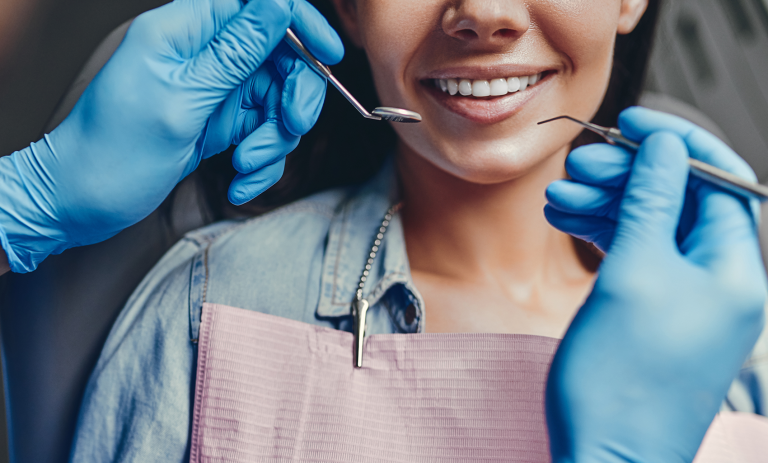
If you have Medi-Cal and you are confused about your dental coverage, you are not behind — the program earned its reputation. It goes by three different names, its adult benefits have been cut and restored over the years, and finding a dentist who accepts it can take more persistence than it should. Here is what the program actually covers for adults right now, in plain language, and a realistic path to getting an appointment.
One program, three names
Denti-Cal, Medi-Cal Dental, and Smile California are all the same program. “Denti-Cal” is the older name most people still use. The official name is the Medi-Cal Dental Program, run by the state Department of Health Care Services (DHCS). Smile California(smilecalifornia.org) is the program’s member-facing website — it is where the state posts covered services, the member handbook in 19 languages, and the official dentist search.
The most important thing to know: if you have full-scope Medi-Cal, dental is already included. There is no separate dental card and nothing extra to sign up for. In most of California, you simply show your Medi-Cal ID (BIC) at a dental office that accepts the program.
First, some history — because it explains the confusion
California’s adult dental benefit has been on-again, off-again — which is why so many people, including some dental office staff, still believe Medi-Cal “doesn’t cover” adult dental. It does. Anything you heard before 2018 is out of date.
California eliminated most adult Denti-Cal benefits in 2009 during the state budget crisis, brought a portion back in May 2014, and fully restored adult benefits on January 1, 2018. That on-again, off-again history is why so many people — including some dental office staff — still believe Medi-Cal “doesn’t cover” adult dental. Anything you heard before 2018 is out of date. Adult coverage has been fully in place since then, and it takes an act of the Legislature to change it.
What’s actually covered for adults
According to Smile California’s current covered-services lists for adults 21 and over (including seniors 55+), the Medi-Cal Dental Program provides the following free or low-cost services:
- Dental exams — every 12 months
- Teeth cleaning — every 12 months
- X-rays
- Fluoride varnish — every 12 months
- Fillings
- Crowns
- Root canals
- Scaling & root planing (“deep cleaning” for gum disease)
- Partial and full dentures, plus relines
- Tooth removal (extractions)
- Emergency services
- Sedation, if medically necessary
Worth underlining: for adults, routine exams and cleanings are covered once every 12 months — not twice a year, despite what some dental office websites claim. And if you have Medicare or Medicare Advantage, that doesn’t cancel this benefit: Medi-Cal can cover dental services Medicare does not.
The $1,800 yearly limit — and why it’s softer than it sounds
Medi-Cal will pay up to $1,800 per year for an adult’s covered dental services. That number scares people off expensive-but-covered treatment, so it is worth knowing the three ways the cap bends:
- Medically necessary care can go over the cap. If your dentist documents that a service is medically needed, Medi-Cal can pay beyond $1,800. The cap is a checkpoint, not a hard stop.
- Pregnancy removes the cap. There is no yearly limit during pregnancy, and coverage protections extend for 12 months after the pregnancy ends.
- Some big-ticket services don’t count toward the cap at all. According to Disability Rights California, dentures, extractions, and emergency services are not counted against the $1,800 limit.
Your dental office can check with Medi-Cal Dental to see where you stand against the cap before starting treatment — ask them to.
Some treatment needs approval first
For many major services — crowns and dentures among them — the dental office must get approval from Medi-Cal Dental before treatment starts, using a form called a Treatment Authorization Request (TAR). The office handles this paperwork, not you. What you should know is simply that a wait for authorization is a normal part of the process, not a sign your care was denied. If a service is denied, you have the right to appeal — the denial notice explains how, and the Telephone Service Center can walk you through it.
What it costs you
For most members, covered dental services cost nothing out of pocket. Depending on your income and family size, some members pay a small amount (the program describes services as “free or low-cost,” and some Medi-Cal members have a monthly share of cost that applies before coverage kicks in). If a dental office quotes you a large bill for a covered service, call the Telephone Service Center before paying — billing Medi-Cal members for covered services is restricted.
How to actually find a dentist who takes it
This is the part the state explains least well, so here is the realistic version:
- Start with the official directory. Go to smilecalifornia.org/find-a-dentist and click “Provider Directory Search.” You can search by location and filter for providers accepting new Medi-Cal patients. The same page links a directory of dental clinics that serve Medi-Cal members — community and federally qualified health clinics are often the fastest way to an appointment.
- Call before you go — and ask two questions. Directories go stale. When you call, ask: “Do you accept Medi-Cal Dental?” and “Are you taking new Medi-Cal patients right now?” Both matter; an office can accept the program but have a closed panel.
- Let the state do the searching for you. The Medi-Cal Dental Telephone Service Center — 1-800-322-6384, free, Monday through Friday, 8 a.m. to 5 p.m. — can look up dentists near you who are taking new patients, and can help in your language.
- If the first office can’t see you for months, keep calling. Wait times vary enormously between offices, and clinics often have sooner openings than private practices.
If you live in Sacramento or Los Angeles County
Almost everywhere in California, Medi-Cal dental works as described above (“fee-for-service” — any dentist who accepts the program). Two counties differ. In Sacramento County, most members are enrolled in a Dental Managed Care plan and must use that plan’s network — check your plan documents or call your plan first. In Los Angeles County, dental managed care is optional: you can join a plan or stay in regular Medi-Cal Dental.
Not sure which you have? The Telephone Service Center (1-800-322-6384) can tell you.
If getting to a dental office is the hard part
Three options matter especially for IHSS recipients and anyone who is homebound:
- Dental hygienists who come to you. California licenses Registered Dental Hygienists in Alternative Practice (RDHAPs), who can provide cleanings and preventive care in homes and facilities. The find-a-dentist page links an RDHAP directory.
- Some providers offer virtual visits; Smile California posts a teledentistry provider directory on the same page.
- Free rides to appointments. Medi-Cal covers transportation to dental appointments if you have no other way to get there. If you are in a Medi-Cal managed care health plan, call your plan’s member services to arrange a ride; fee-for-service members can ask their provider or DHCS about transportation. This covers dental visits, not just medical ones.
A change coming July 1, 2027 — who it affects
Starting July 1, 2027, full Medi-Cal dental benefits will end for certain adults based on immigration status. (This change was originally scheduled for July 2026 and has been delayed one year.) Emergency dental services will remain covered for all Medi-Cal members regardless of status.
Members who keep full dental benefits include:
- Anyone who qualifies for federally funded full-scope Medi-Cal
- Children under 19
- People who are pregnant or within 12 months after pregnancy
- Former foster youth under 26 who were in foster care on their 18th birthday
If this change may affect you or the person you care for, the practical advice is direct: schedule needed dental work before June 30, 2027, while full benefits are in place. If your immigration status changes, or you become pregnant, contact your county Medi-Cal office — you may qualify to keep full benefits.
Where to get help
- Medi-Cal Dental Telephone Service Center: 1-800-322-6384 (free), Monday–Friday, 8 a.m.–5 p.m. Coverage questions, finding a dentist, checking the $1,800 cap, appeals.
- Find a dentist: org/find-a-dentist
- Member handbook (19 languages): org/members/member-handbook
- Your county Medi-Cal office: for eligibility and status questions — find yours at dhcs.ca.gov/COL