If your IHSS hours have been cut, denied, or terminated, you have the right to appeal. That appeal, if it goes beyond the pre-hearing settlement stage, lands in front of an Administrative Law Judge — an ALJ. For a lot of people, just hearing the word “judge” brings up anxiety. Will it feel like a courtroom? Do you need a lawyer to survive it? What if you say the wrong thing?
This article answers the questions people most commonly ask about the hearing itself: who the ALJ is, who runs the process, how to submit your evidence, and whether you can handle it on your own. We’ll keep it plain and practical.
Your IHSS Fair Hearing: What to Expect From the ALJ and How to Show Up Ready
A plain-language guide to who runs the process, how to submit your evidence, and whether you need a lawyer.
What Is an ALJ?
An Administrative Law Judge is a trained legal professional who conducts your hearing and issues the final decision. For IHSS, that ALJ is employed by the California Department of Social Services (CDSS) State Hearings Division — not your county.
That distinction matters. Your county made the decision you’re appealing. The ALJ’s job is to review that decision independently. CDSS describes its mission as resolving disputes “in an impartial, independent, fair, and timely manner, ensuring that due process is met in accordance with federal and state law.” The ALJ is not on the county’s side — and is not on yours, either. They are there to evaluate the facts and the law.
Who Runs the Hearing — State or County?
The state runs it. Once you request a fair hearing, the case moves to CDSS’s State Hearings Division in Sacramento. Your county will assign a county appeals specialist who reviews the case and may try to resolve it before any hearing takes place.
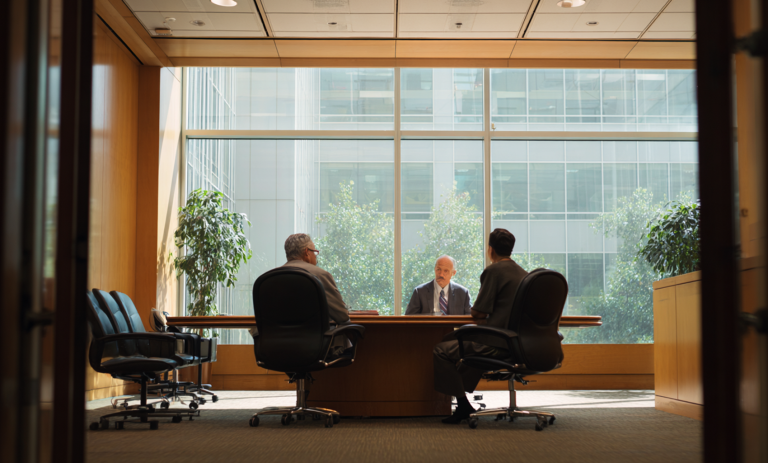
At the hearing, you will see two sides: you (with any representative or witnesses you bring), and the county appeals worker, who presents the county’s position. The ALJ oversees the proceeding, asks questions of both sides and any witnesses, and later issues a written decision.
The county appeals specialist is required to provide you with the county’s written position statement at least two business days before the hearing. That document explains the county’s legal reasoning for the action they took. Read it carefully — it tells you exactly what you’re up against.
Is It a Formal Setting?
Compared to a courtroom, no. There is no jury. There are no robes. IHSS fair hearings are administrative proceedings, not criminal or civil trials. The tone is typically conversational, and the ALJ is accustomed to working with people who are not lawyers.
Hearings can be held in person or by phone. Many are conducted by telephone. You do not have to be physically present in a courthouse. If your hearing is scheduled by phone, the ALJ will call you at the number you provided — or you will call in to a line provided in your hearing notice.
That said, treat it seriously. The ALJ’s written decision is a real legal outcome. If it goes against you, you have the right to request a rehearing or to appeal in Superior Court. How you present your case and your evidence during the hearing shapes the record.
How to Submit Exhibits and Evidence
Evidence matters. The more clearly you can document your care needs, the stronger your case. Evidence can include:
- Medical provider forms describing your functional limitations
- Written letters from doctors, therapists, or other providers
- Logs or journals that track how long specific care tasks take
- Time-for-task worksheets showing what your provider does and how long it takes
The best way to submit evidence is through ACMS — the Appeals Case Management System. ACMS is CDSS’s online portal for managing fair hearings. If you create an account, you can upload documents directly. Both the ALJ and the county appeals worker will be able to see what you submit.
You can also submit evidence by fax or mail, or — if the hearing is in person — bring copies for the judge and for the county representative.
Try to get your evidence in before the hearing. Truthfully, ALJs typically do not appreciate either side handing in evidence late. However, If you have something you weren’t able to submit in time, tell the ALJ at the start of the hearing. You can also ask the ALJ to keep the hearing record open after the hearing ends so you can submit additional documents. The ALJ will set a deadline if they agree.
Do You Need a Lawyer?
No — but having one, or having a trained advocate, can help.
California IHSS fair hearings are specifically designed to be accessible to people who do not have legal representation. There are no strict procedural rules about how you speak or present your case. The ALJ is required to conduct the hearing fairly and will ask questions to draw out the relevant information. Many recipients handle hearings on their own and win.
At the same time, an attorney or a trained legal advocate can help you in meaningful ways — organizing your evidence, preparing your position statement, knowing which regulations to cite, and avoiding procedural missteps. Disability Rights California has published a fair hearings guide that walks through the process in detail and is one of the most useful free resources available.
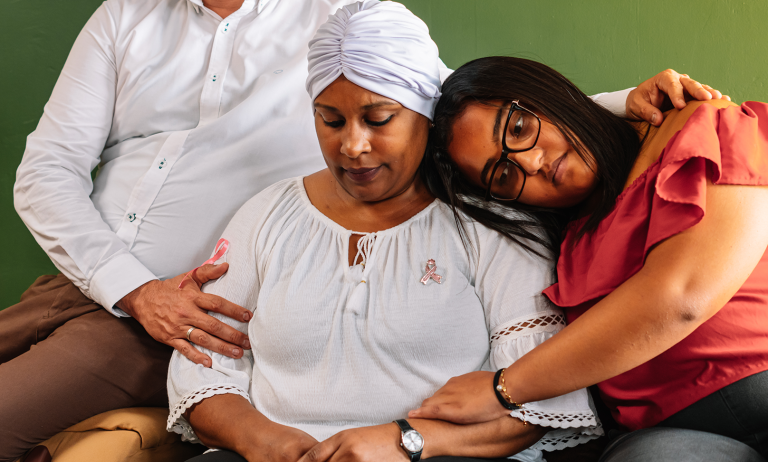
You can also bring a support person — a family member, friend, or advocate — who is not a lawyer. That person can sit with you, help you organize your materials, and speak on your behalf if you authorize them to.
Practical note
If you want a lawyer to attend the hearing itself, you do not need to give advance notice to the ALJ in the same way some other California proceedings require.
Notifying the State Hearings Division early helps ensure there are no delays on hearing day.
What Happens at the Hearing Itself
The ALJ will open the hearing, identify who is present, and explain the process. Then both sides will have an opportunity to present their case. The ALJ will ask questions. You may be asked to explain your condition, your daily care needs, and why you believe the county’s decision was wrong.
Both sides can bring witnesses. If you have a caregiver, a provider, a family member, or a medical professional who can speak to your needs, they can testify. Prepare them in advance — the ALJ will ask them questions too.
After the hearing closes, the ALJ issues a written decision. This typically takes several weeks to a few months. If the decision is in your favor, the county is required to act on it. If it is not, you have options: you can request a rehearing from CDSS, or you can appeal in California Superior Court within one year of the decision date.
A Few Things Worth Knowing Before Your Hearing
- ✓Request your case file from the county before the hearing. You have the right to review all documents the county is relying on.
- ✓Read the county's position statement carefully when it arrives two days before the hearing.
- ✓Write your own position statement — a factual letter to the ALJ explaining what you believe is wrong with the county's decision and why.
- ✓If you need an interpreter, request one when you schedule or confirm your hearing.
- ✓Need to reschedule? Call the State Hearings Division toll-free: (800) 743-8525.
- ✓If you appealed before your benefit change took effect, ask about “aid paid pending” — you may be entitled to your original level of services while the hearing is pending.
You Can Do This
A fair hearing is not a trial. It is a structured conversation in front of a neutral decision-maker. You do not need to speak like a lawyer. You need to show up prepared, tell the truth about your care needs, and submit the clearest evidence you can.
The ALJ’s job is to give you a fair shot. Use it.