There was a time—not that long ago—when home care relied heavily on memory, handwritten notes, and fragmented communication. Caregivers showed up, families did their best to coordinate, and much of the responsibility fell on individuals simply trying to keep everything together. It worked, in a sense, but it left too much room for gaps, delays, and burnout.
That model is changing.
From Guesswork to Real-Time Insight
Technology is not replacing the human side of care—it’s finally giving it the structure, visibility, and support it has always needed. What we are seeing now is a shift toward care that is more connected, more responsive, and ultimately more sustainable for the families who rely on it every day.
One of the most meaningful changes is the move from reactive care to proactive care. Instead of waiting for something to go wrong, families now have tools that allow them to monitor and respond in real time. Devices that once served simple purposes have evolved into sophisticated systems capable of tracking vital patterns like heart rate variability, oxygen levels, sleep disruptions, seizure activity, and even fall detection.
For medically fragile individuals, this is not about convenience—it’s about safety and peace of mind. Parents who once relied on instinct alone can now receive immediate alerts when something changes, allowing them to act before a situation escalates.
Smarter Homes, Safer Environments
At the same time, the home itself is becoming an active part of the care environment. What used to be considered “smart home” convenience has quietly transformed into a meaningful layer of protection. Systems can now respond to movement, detect unusual patterns, and create safer environments without constant manual oversight. For families managing behaviors like wandering or unsafe exploration, this added layer of support reduces the need for continuous, exhausting vigilance. It doesn’t replace supervision, but it reinforces it in a way that makes daily life more manageable.
Telehealth Isn't a Backup Plan Anymore

Access to care has also been reshaped by the rapid evolution of telehealth. What was once viewed as a backup option is now, in many cases, the most efficient and effective way to connect with providers. Families who previously faced long drives, scheduling challenges, or limited access to specialists can now participate in consistent, meaningful care from home. This is particularly impactful in a state as large and varied as California, where access to specialized services can differ dramatically by region. Telehealth has allowed care teams to stay connected, reduced missed appointments, and made it easier for multiple providers to collaborate in real time.
Beyond individual tools and services, there has been a growing recognition that care itself needs better infrastructure. Families are often managing multiple systems at once—home care providers, Regional Center services, therapists, medical teams, and school-based supports—and historically, those systems have operated independently of one another. The result has been a constant need for families to act as the bridge between them.
That gap is beginning to close.
The Rise of Platforms Built for Care—Not Just Communication
A new generation of platforms is emerging with the specific goal of supporting caregiving ecosystems rather than simply offering communication tools. These platforms are designed to connect families and providers in a way that is structured, secure, and intentional. Instead of relying on informal methods like social media groups or scattered referrals, families can now build care teams within environments that prioritize safety, privacy, and clarity.
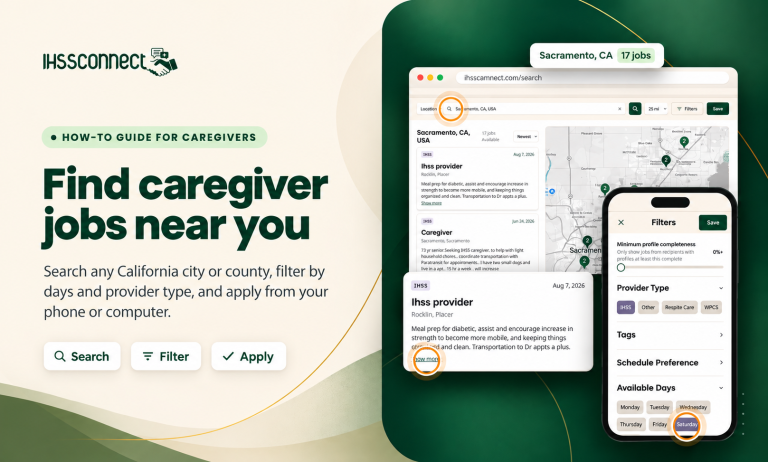
That’s exactly where platforms like IHSS Connect come in. Built specifically for California families navigating programs like IHSS, WPCS, and Regional Center services, it creates a direct, safer way to find and connect with caregivers—without relying on fragmented or risky channels. It’s a subtle shift, but an important one: moving from searching for care to actually building a reliable care team.
Medical Tech Pushes Accessibility
At the same time, medical advancements themselves are continuing to push care further into the home. Treatments and supports that once required extended hospital stays are now manageable in familiar environments. Feeding systems, respiratory supports, seizure monitoring tools, and at-home therapies have evolved to the point where families can maintain complex care routines without sacrificing stability or comfort. These advancements don’t just improve outcomes—they reshape daily life. They allow individuals to remain at home, reduce the frequency of hospital visits, and create space for routines that feel more sustainable.
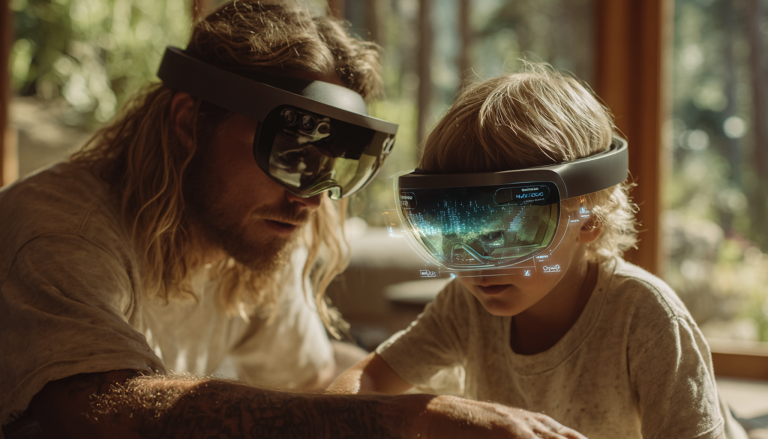
Looking ahead, artificial intelligence is beginning to introduce an entirely new layer of possibility. While still developing, these systems are already being used to identify patterns, assist with documentation, and translate communication across languages in real time. More importantly, they are starting to move toward predictive care—recognizing subtle changes before they become serious concerns. The idea that a system could detect early signs of dysregulation, health decline, or behavioral escalation and alert a caregiver in advance is no longer theoretical. It is quickly becoming part of the next phase of home care.
The Human Side of Technology
With all of this progress, there is an understandable concern that technology could create distance between people. In reality, the opposite is happening. When systems take on the burden of monitoring, tracking, and coordinating, caregivers are freed to focus on presence, connection, and care itself. The human element becomes stronger, not weaker, because it is no longer stretched as thin.
What is emerging is a model of care that feels more integrated, more intelligent, and more aligned with the realities families face every day. Care teams are becoming more connected, access to services is improving, and the barriers that once made it difficult to find reliable support are beginning to fall away.
For families who have spent years navigating systems that were never designed to work together, this shift matters.
It may not be perfect, and it is certainly not complete, but it is meaningful.
And for many, that progress represents something deeper than innovation.
It represents relief.