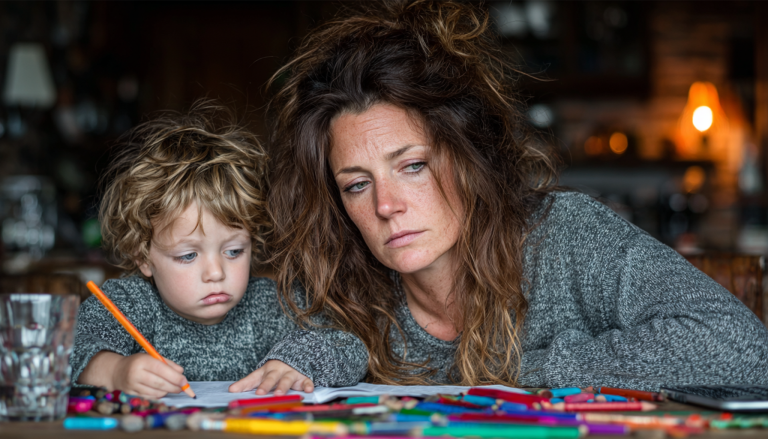
The hardest part of IHSS might not be the care itself—but just proving the care is real. Parents live the reality every day, but when it comes time for an assessment, reassessment, or appeal, they are suddenly expected to translate that reality into something structured, specific, and measurable. That gap is where hours are often lost.
The truth is, IHSS is not based on how hard caregiving feels. It is based on what can be clearly described, supported, and counted. Documentation is how you bridge that gap. Done correctly, it does not have to be overwhelming. In fact, it can become one of the most powerful tools you have to protect and increase your child’s hours.
Why Documentation Matters More Than Most Families Realize
IHSS operates as a time-allocation system. A county social worker is not simply observing your child—they are translating what they see and hear into minutes and hours. If a need is not clearly communicated with frequency, duration, and safety context, it often gets minimized or missed entirely.
This is especially true for children. Counties are always measuring your child’s needs against what is considered “age-appropriate.” That means you are not just showing that your child needs help—you are showing that they need more help than a typical child the same age. Documentation is what makes that distinction visible.
For families pursuing Protective Supervision, documentation becomes even more critical. It is not enough to say a child is unsafe. The county is looking for patterns, incidents, and evidence of real risk tied to cognitive impairment or lack of self-direction. Without that, even very real safety concerns can be dismissed.
It’s also important to understand that self-documentation alone is rarely enough to support IHSS hours—especially for Protective Supervision. While your notes are incredibly valuable, they carry much more weight when they are backed up by consistent language in formal records like your child’s IEP, IPP, psychological evaluations, and medical reports. These documents should reflect similar observations about your child’s behaviors, level of supervision required, and—most importantly—their lack of awareness of danger. When your personal documentation and professional reports align, it creates a much stronger, more credible case that is harder for the county to dismiss or minimize.
Start Simple: Capture What Actually Happens
The biggest mistake families make is thinking documentation needs to be formal or complicated. It does not. The goal is simply to capture what is already happening in your daily life in a consistent way.
That can be a notebook, a notes app on your phone, or even a running email you send to yourself. What matters is consistency, not perfection. The best documentation is the kind you will actually keep up with.
Each time something happens, write down the date, what occurred, and what you had to do in response. Over time, this builds a clear picture of your child’s needs that is far more persuasive than trying to remember everything during a single assessment visit.
Documenting Behaviors and Safety Risks
For many families, behaviors and safety risks are the most important—and most misunderstood—part of their case. These are often tied directly to Protective Supervision, but they need to be documented in a very specific way.
Instead of writing something general like “my child is unsafe,” it is far more effective to describe exactly what happened. If your child attempts to leave the house, climbs on unsafe surfaces, puts non-food items in their mouth, turns on appliances, or engages in self-injurious behavior, those moments need to be captured as individual incidents.
What matters most is showing lack of awareness of danger and the need for constant supervision. The county is not looking for isolated events—they are looking for patterns that demonstrate ongoing risk. Over time, your documentation should show that these behaviors are not rare or situational, but part of your child’s daily reality.
When documenting for IHSS—especially for Protective Supervision—it’s critical to focus on unpredictable, dangerous behaviors, because that is exactly what Protective Supervision is designed to address. Dangerous behaviors are those that place your child at real risk of harm due to a lack of awareness or self-direction. This can include things like eloping from the home, running into the street, climbing onto unsafe surfaces, turning on stoves or appliances, ingesting non-food items, aggressive or self-injurious behaviors such as hitting, biting, or banging their head, or any action that could result in injury without constant supervision. These are the types of behaviors that demonstrate a need for 24-hour oversight.
On the other hand, not all concerning behaviors meet this standard. Social behaviors like being overly friendly, talking to strangers, being impulsive, or having difficulty following directions are not typically considered dangerous on their own. For example, a child who “talks to anyone” may raise valid concerns for a parent, but it does not demonstrate immediate physical risk in the way that a child who repeatedly bangs their head when dysregulated or attempts to leave the home unsafely would. The goal of your documentation is to clearly show that your child’s behaviors create a consistent, real risk of injury—because that is what Protective Supervision is meant to safeguard against.
If you want to learn more about Protective Supervision, check out this article.
Tracking Toileting and Bowel/Bladder Care
Toileting is one of the most underreported areas in IHSS assessments, yet it often represents a significant portion of daily care. Many parents simply say their child is not potty trained or needs help, but that does not tell the county how much time is actually involved.
Strong documentation captures frequency, duration, and complexity. This includes how often diaper changes or toileting assistance is needed, whether accidents require full clean-up, and whether care extends beyond a quick change due to hygiene or behavioral challenges.
If toileting occurs overnight or disrupts sleep, that should also be noted. Over time, this paints a much clearer picture of the true level of support required.
Capturing Feeding and Daily Care Needs
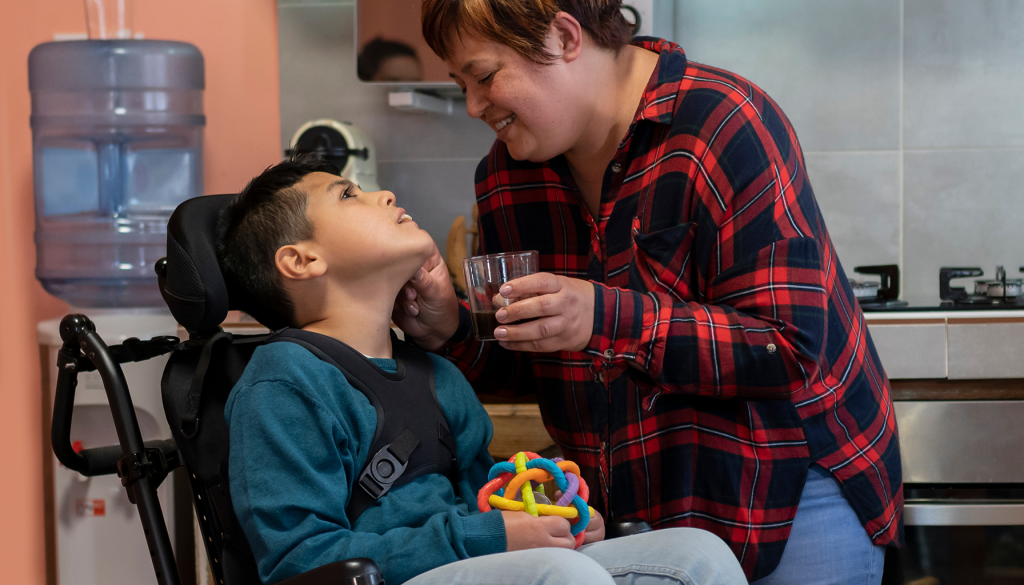
Feeding is another area where families tend to unintentionally minimize their child’s needs. What feels routine to a parent may actually represent a high level of hands-on care.
Documentation should reflect whether your child requires full feeding, assistance with utensils, monitoring for choking or aspiration, extended feeding times, or specialized methods like G-tube support. It should also capture how long meals actually take and whether they require constant supervision.
Beyond feeding, it is helpful to document other daily care tasks such as dressing, bathing, and mobility assistance in a similar way. The goal is to show not just that help is needed, but how often and how involved that help is—and most importantly to show how extraordinary the need is.
Showing the Full Picture Over Time
One of the most powerful aspects of documentation is consistency. A single note or example may not carry much weight, but patterns over weeks or months are much harder to overlook.
When a social worker sees repeated entries showing daily toileting assistance, frequent safety incidents, and ongoing feeding support, it becomes much easier for them to justify higher authorized hours. Documentation turns your lived experience into something visible and measurable.
It also protects you during reassessments. Needs that are not documented can appear to improve or disappear over time, even when nothing has actually changed.
Keeping It Sustainable
The goal is not to create more stress. Documentation should fit into your life, not take it over. Writing a few quick notes each day is enough. Some families prefer to document only significant events, while others track more consistently. Either approach can work as long as it creates a clear, accurate picture.
It is also okay if documentation is not perfect. What matters is that it is honest and reflective of your child’s actual needs. Over time, even simple notes become incredibly powerful when they tell a consistent story.
Turning Documentation Into Results
When it comes time for an IHSS assessment or appeal, your documentation becomes your strongest support tool. Instead of trying to recall months of care on the spot, you can speak with clarity and confidence about what your child needs every day.
This is especially important for Protective Supervision cases, where families are often asked to prove ongoing risk and the need for constant oversight. Clear, consistent documentation can make the difference between approval and denial.
Ultimately, documentation is not about proving how hard your life is. It is about showing, in a clear and structured way, exactly what your child requires to stay safe at home. Once you understand that, the process becomes far less overwhelming—and far more effective.