For many California families applying for In-Home Supportive Services (IHSS), one of the most stressful questions comes long before the actual assessment ever takes place:
“What happens if the recipient or caregiver does not have a Social Security Number?”
The answer is more nuanced than many people realize.
Across California, mixed-status households are incredibly common. Some children receiving services may be U.S. citizens while their parents are not. In other families, elderly relatives, disabled adults, or caregivers may have different immigration statuses within the same household. That often creates fear and confusion about whether someone can apply for IHSS at all.
The rules for IHSS recipients and IHSS providers are very different — and understanding that distinction is important.
Can an IHSS Recipient Receive Services Without a Social Security Number?
In some situations, yes.
California generally allows a person to apply for and receive IHSS even if they do not currently have a Social Security Number (SSN), particularly when the individual is not eligible to obtain one.
In those cases, the applicant may instead be required to apply for an Individual Taxpayer Identification Number (ITIN).
This surprises many families because IHSS is connected to payroll and employment systems. But the recipient is also considered the “employer of record” for their caregiver under California’s IHSS structure. Because of that, some form of taxpayer identification is still needed for administrative purposes.
Importantly, California guidance has indicated that counties should not automatically deny an IHSS application simply because the applicant does not yet have an SSN or ITIN. In many cases, the county is expected to continue processing the application while helping the person pursue the appropriate tax identification process.
That does not mean every person without an SSN automatically qualifies for IHSS. The individual must still qualify for:
- Medi-Cal eligibility
- IHSS eligibility based on disability, age, or blindness
- Functional need for in-home care services
But lacking an SSN alone is not always an automatic disqualifier for recipients.
This issue comes up especially often with:
- children in mixed-status households
- immigrants with pending status adjustments
- elderly relatives newly arriving in California
- certain humanitarian immigration categories
- recipients receiving state-funded Medi-Cal
California has significantly expanded Medi-Cal access in recent years, which has also opened doors for more families to potentially qualify for IHSS services.
Can Someone Be an IHSS Provider Without a Social Security Number?
This is where the rules become much stricter.
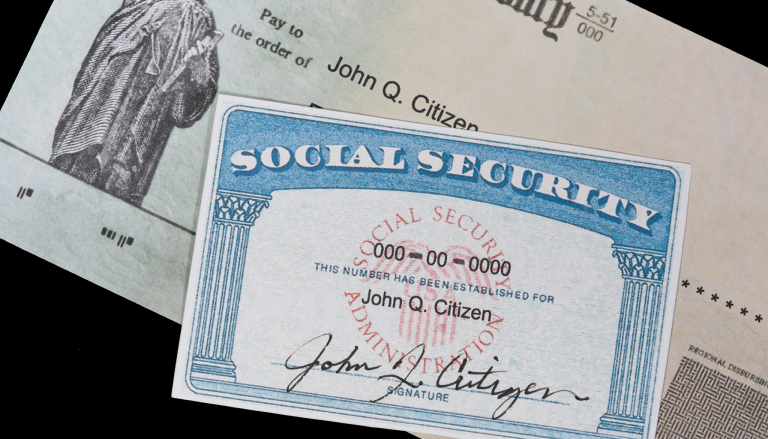
In almost all situations, IHSS providers are required to have:
- a valid Social Security Number
- authorization to work in the United States
- identity verification
- fingerprint and criminal background clearance
Unlike recipients, providers are treated as workers within the state payroll system. Their wages are reported for tax purposes, and they must complete employment-related verification requirements.
An ITIN by itself is generally not enough to become an IHSS provider.
Counties throughout California routinely require providers to present:
- a Social Security card
- government-issued identification
- employment authorization documentation when applicable
This means a family may have a child or adult recipient who qualifies for IHSS, but a parent or relative without a valid SSN/work authorization may not be able to enroll as the paid provider.
For some families, this becomes one of the most difficult realities of the program.
Why This Topic Creates So Much Confusion
Part of the confusion comes from the fact that Medi-Cal, IHSS, immigration rules, payroll systems, and tax identification requirements all intersect with each other — but they do not follow identical standards.
Families often hear:
- “Medi-Cal approved us.”
- “Regional Center services were approved.”
- “The child qualifies medically.”
- “The county said we need a provider.”
But provider enrollment itself is still governed by separate employment and payroll rules.
As a result, two people living in the same household may face completely different eligibility standards under the same IHSS case.
That can feel contradictory, especially during an already stressful time.
The Bigger Picture for California Families
For many households, these questions are not really about paperwork. They are about survival.
Families caring for children with developmental disabilities, medically fragile adults, or aging relatives are often already stretched emotionally and financially. Navigating California’s public benefit system can become overwhelming when immigration concerns are added into the equation. That is why accurate information matters.
Many families incorrectly assume they should never apply for IHSS because someone in the household lacks a Social Security Number. Others assume provider enrollment rules are more flexible than they actually are. Neither assumption is always correct.
Understanding the difference between recipient eligibility and provider eligibility can help families avoid unnecessary fear, delays, and misinformation.
Helpful Resources & Links
California Department of Social Services (CDSS) — IHSS Program
California IHSS Program Information
Los Angeles County IHSS Recipient Information
LA County IHSS Recipient Guide