If you’re caring for a child or adult with significant needs, you’ve probably come across a confusing mix of titles—IHSS caregiver, CNA, LVN, RN—and wondered what they actually mean.
They can all show up in a home care setting. They can all be essential.
But they are not the same—and choosing the wrong type of support (or expecting one role to do another’s job) can lead to gaps in care, frustration, and even safety concerns.
Understanding the difference isn’t just helpful—it’s critical to building a care team that actually works.
Where Most Families Get Stuck
At a glance, all of these roles seem similar. They all “take care” of someone. They all may be present in the home. And in many cases, they may even overlap in what they physically do.
But the real difference comes down to training, licensing, and scope of responsibility.
Some roles are designed to help someone live safely at home.
Others are responsible for medical care.
And some sit somewhere in between.
IHSS Caregivers: The Foundation of Daily Life at Home
Caregivers paid through In-Home Supportive Services (IHSS) are focused on helping someone function safely in their daily life.
This is not a medical role. It is a life-support role in the most practical sense.
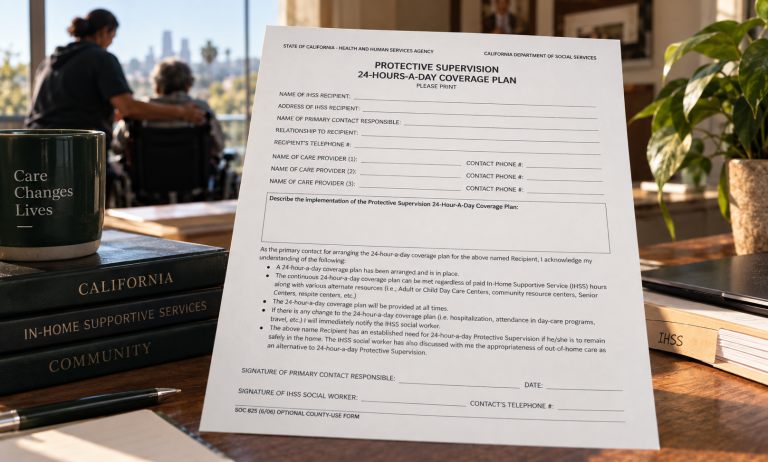
IHSS caregivers assist with things like bathing, dressing, feeding, mobility, meal preparation, and supervision. In cases involving cognitive impairments, they may also provide protective supervision—monitoring for unsafe behaviors like wandering, impulsivity, or lack of danger awareness.
These caregivers are often family members, but they can also be hired providers.
What matters most is this: IHSS exists to keep people out of institutions and safely in their homes.
That’s the goal.
CNAs: Hands-On Support With Basic Clinical Training
A Certified Nursing Assistant (CNA) sits just above a traditional caregiver in terms of training, but still below licensed nurses.
CNAs receive formal training and certification, which allows them to assist with hands-on care in both home and facility settings. Their work often looks similar to what an IHSS caregiver does—helping with bathing, mobility, hygiene, and basic support—but with added clinical awareness.
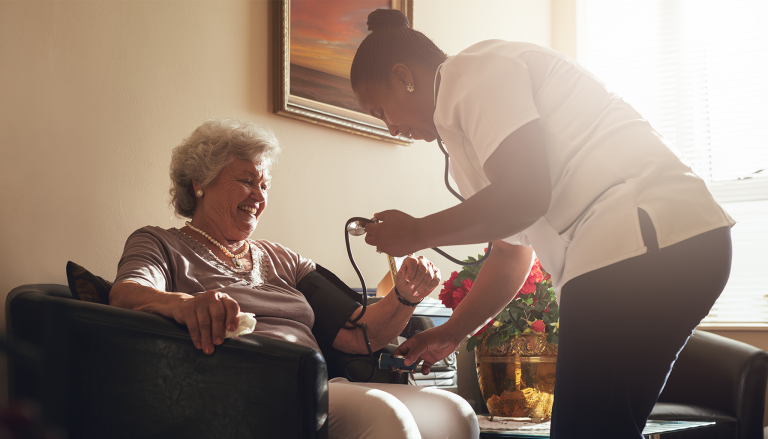
They may take vital signs, assist with repositioning to prevent bedsores, and support patients in more medically structured environments like hospitals, skilled nursing facilities, or through home health agencies.
However, CNAs are not licensed to perform medical procedures independently. They work under the supervision of nurses.
For families, this distinction matters. A CNA may bring more formal training and experience, but they are still not a substitute for a nurse when medical care is required.
LVNs: Licensed Nurses Providing Routine Medical Care
A Licensed Vocational Nurse (LVN) is where the line clearly shifts into medical care.
LVNs are licensed professionals who can administer medications, perform wound care, monitor conditions, and assist with treatments. They typically work under the supervision of a physician or Registered Nurse.
In a home setting, an LVN might be responsible for managing medications, handling basic medical procedures, or supporting a patient with ongoing clinical needs.
This is no longer about helping someone with daily life—it’s about managing health conditions.
RNs: Clinical Oversight, Decision-Making, and Care Planning
A Registered Nurse (RN) operates at a higher level of clinical responsibility.
RNs assess patients, develop care plans, oversee treatment, and supervise other caregivers and nurses. They are often the ones making decisions about what care is needed, how it should be delivered, and when adjustments are required.
In home care, an RN may not always be present daily—but their role is essential in ensuring that everything happening in the home is medically appropriate and coordinated.
The Roles, Side by Side
If you simplify it:
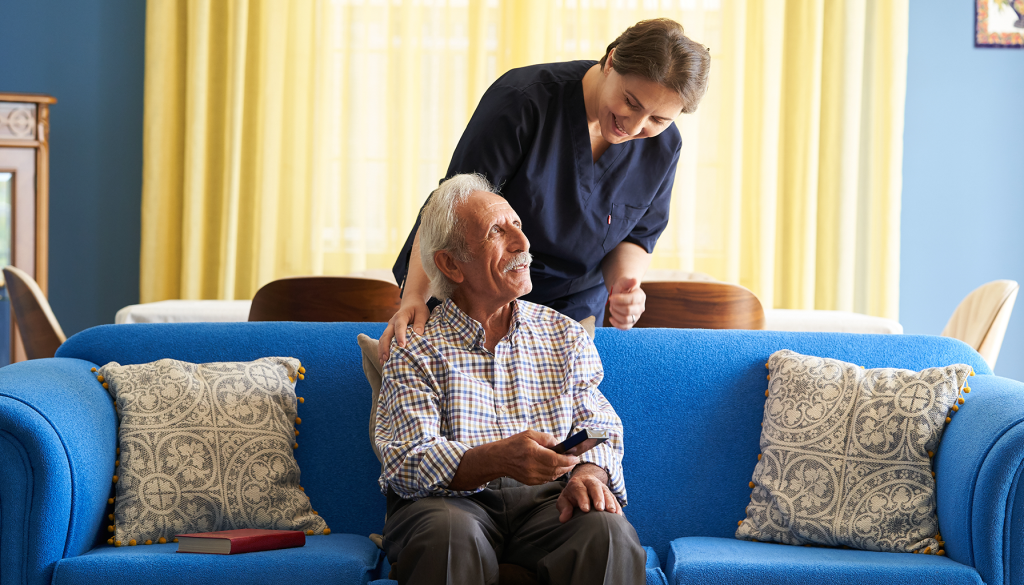
- IHSS caregivers support daily living and safety
- CNAs provide hands-on care with basic clinical training
- LVNs deliver routine medical care
- RNs handle assessment, oversight, and clinical decision-making
Each role exists for a reason. None of them replace the others.
How These Roles Work Together in Real Life
In many homes—especially those supporting children or adults with significant impairments—you’ll often see a combination of these roles working together.
An IHSS caregiver may be present daily, helping with routines, supervision, and overall support. A CNA might be involved in more structured care settings or through an agency. An LVN could handle medication management or treatments. And an RN may oversee the entire care plan from a clinical standpoint.
When it works well, it’s not redundant—it’s layered.
Each role fills a gap the others can’t.
Building a Care Team That Actually Works
One of the biggest challenges families face isn’t just understanding these roles—it’s finding the right people to fill them.
And historically, that process has been fragmented, inconsistent, and often risky. Families have relied on word-of-mouth, social media posts, or outdated registries to find caregivers.
That’s starting to change.
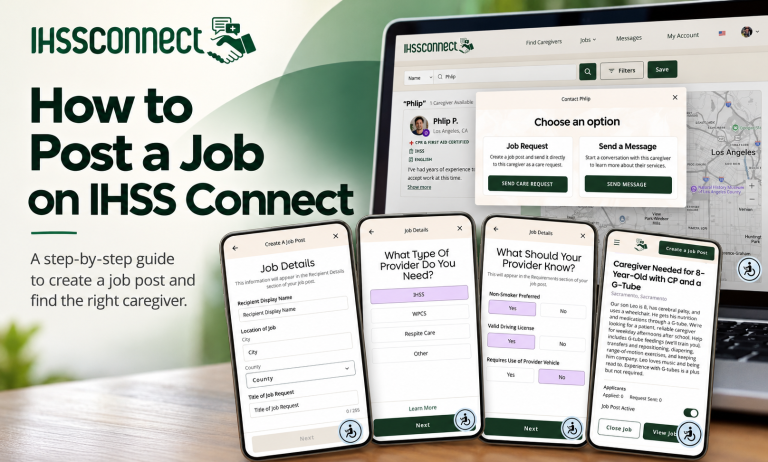
Platforms like IHSS Connect are designed specifically for this ecosystem—allowing families to connect directly with caregivers who understand programs like IHSS, WPCS, and in-home support services.
Instead of searching blindly, families can begin to build a care team intentionally, knowing who they’re bringing into their home and why.
It’s not just about filling a role—it’s about finding the right fit.
If you take one thing away from all of this, it’s this: Not all caregivers are the same—and they’re not supposed to be.
IHSS caregivers help make daily life possible.
CNAs bring hands-on support with clinical awareness.
LVNs and RNs ensure that medical needs are properly managed.
The strongest care environments don’t rely on one—they bring the right combination together. Because when each role is understood and used correctly, care becomes not just manageable—but sustainable.