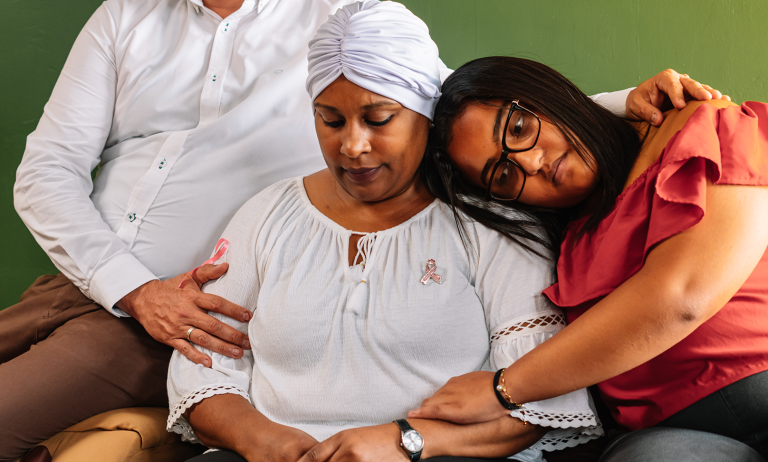
Respite care involves temporarily assigning the duties of primary caregiving to another individual, often a professional carer, family member, or friend. This allows the main caregivers to take a well-deserved break from their caregiving roles. The arrangements for respite care can vary, ranging from a few hours each week or day to longer durations, accommodating extended breaks or holidays.
Essential Insights for Caregivers of Elderly Relatives
According to AARP’s “Caregiving in the U.S.” report, around 39.8 million Americans provided unpaid care to an adult in 2014-2015. The Centers for Disease Control further highlights that 53% of caregivers experience a decline in health, impacting their caregiving capabilities.
The journey of caring for an elderly loved one is fulfilling yet demanding. It’s crucial for family caregivers to prioritize their well-being and take regular breaks to maintain their enthusiasm and effectiveness in their caregiving role.
This is particularly vital for those looking after seniors with serious health conditions. A collaborative study by the Stanford Center on Longevity, Stanford University Psychology Department, Comfort Keepers, and Clear Care revealed key findings about elderly caregivers:
- Caregivers of mildly ill loved ones often experience emotional states comparable to their counterparts, usually feeling emotionally better than younger adults.
- Those caring for severely ill relatives typically report lower emotional well-being than their peers.
- The decline in emotional well-being is often linked to reduced social interactions and pursuit of personal goals.
This study aimed to pinpoint the specific challenges and stress factors faced by family caregivers. In partnership with this study, we engaged with decision-makers and family members of around 2,000 clients from Comfort Keepers.
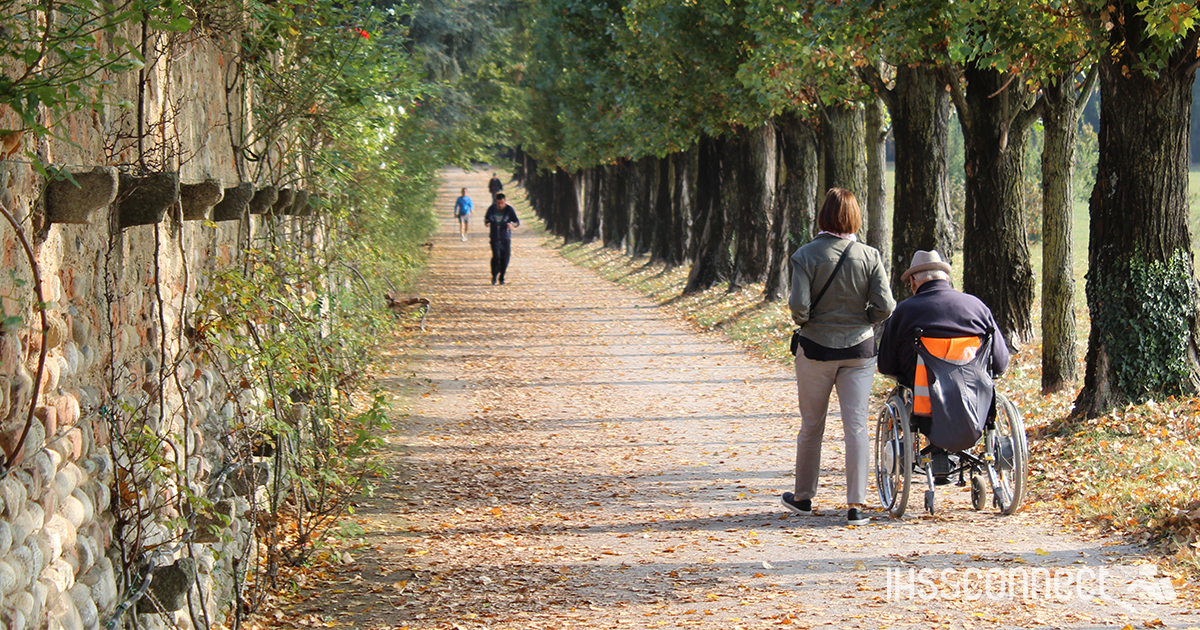
The findings indicate that elderly individuals generally exhibit higher emotional well-being, except when caring for a relative with a severe illness. The impact on well-being is contingent on the severity of the relative’s condition.
Caring for an elderly family member can enhance family bonds and be extremely rewarding. However, it’s critical to acknowledge the potential feelings of loss, stress, and physical demands involved. Family caregivers risk their health and well-being if they neglect their own needs or fail to take breaks when needed. Respite care offers a practical solution for many families in these situations.