Service Access and Equity isn’t just a policy phrase—it’s the difference between whether a family gets help or gets left behind.
For Californians with disabilities, access to services can determine everything from healthcare and housing to caregiver support, transportation, education, and independence. But access is not always equal. Too often, families who need the most support are the ones facing the greatest barriers—language differences, lack of transportation, technology gaps, cultural stigma, misinformation, long waitlists, or simply not knowing where to start.
That is where Service Access and Equity (SAE) becomes so important.
At its core...
At its core, SAE is about making sure disability services are not only available, but truly reachable. It means recognizing that a service is not accessible just because it exists. If a parent cannot understand the paperwork, if a caregiver cannot find help in their own language, if a family in a rural area cannot physically get to an office, or if a provider system feels too overwhelming to navigate, then access still does not exist.
Equity means meeting people where they are.
California’s Regional Centers and community-based organizations have made SAE a major priority because they understand that underserved communities—including culturally diverse families, non-English speaking households, low-income families, and communities that have historically been excluded from support systems—deserve better pathways to care. It is not enough to simply offer services. We must actively remove the barriers that prevent people from using them.
This responsibility belongs to all of us.
Families, providers, advocates, nonprofits, and businesses all play a role in creating stronger access points. Supporting SAE does not always mean building a new program—it can mean improving the way we communicate, making systems easier to understand, offering information in multiple languages, creating trust within communities, and making sure people feel seen rather than intimidated.
Sometimes the most powerful form of equity is simply helping someone understand that they are allowed to ask for help.
Let's Get Personal
At IHSS Connect, this mission is deeply personal.
We work every day with families trying to navigate caregiving, disability services, and the overwhelming process of finding support at home. Many of these families are already exhausted before they even begin searching. They are managing medical appointments, school challenges, financial pressure, and the emotional weight of caregiving while trying to understand systems that often feel confusing and disconnected.
That is exactly why IHSS Connect exists.
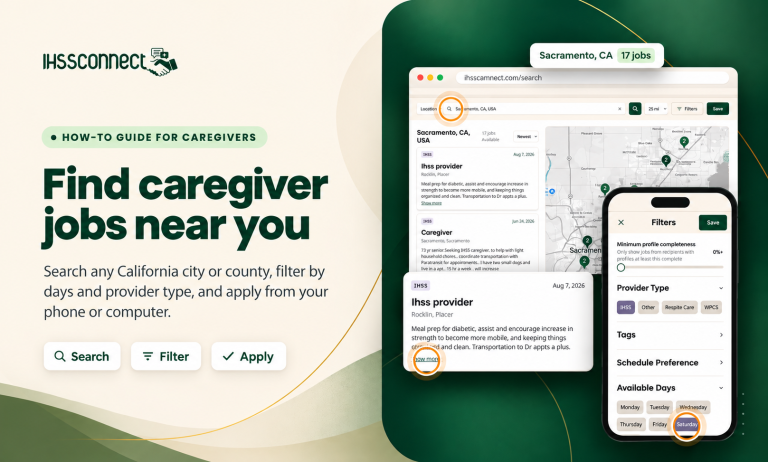
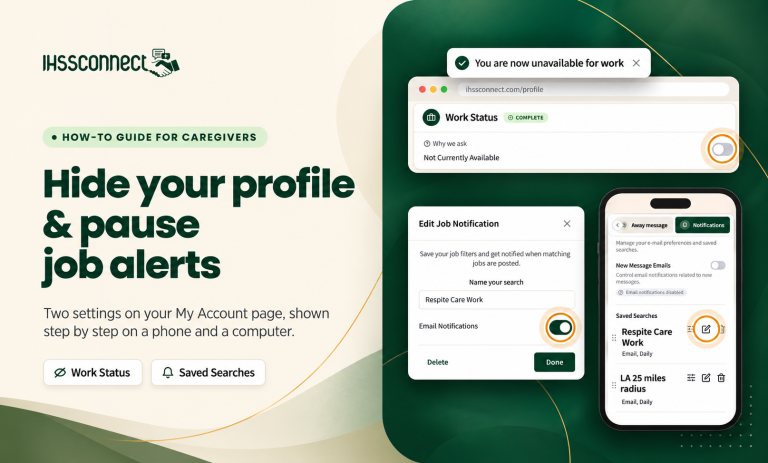
Our platform was built to make in-home care easier to access by connecting recipients and providers across California in one free, simple, easy-to-use place. Families should not have to rely on luck or word of mouth to find a qualified caregiver. Providers should not struggle to find meaningful work because they are hidden behind complicated systems.
Access should be easier.

Because of support from Alta California Regional Center’s Language Access and Cultural Competency team, IHSS Connect is actively expanding that mission through stronger accessibility tools, multilingual support across 11 languages, improved search functions, easier job posting tools, better profile creation, and safer optional background check partnerships that help build trust between families and providers.
This is what Service Access and Equity looks like in real life.
It looks like a Spanish-speaking parent finding a caregiver without needing a translator.
It looks like a provider in a rural county finally being visible to families nearby.
It looks like a recipient feeling safe enough to ask questions.
It looks like dignity.
And it matters.
When people with disabilities and their families can access the right support, communities become stronger. Caregivers stay employed. Families stay together. Children stay safer. Adults maintain independence. Parents experience less burnout. Outcomes improve across the board.
SAE is not charity. It is responsibility.
Disability services should work for everyone—not just for the families who already know how to navigate the system, speak the right language, or have the time and resources to fight for help.
True access means more than simply offering services; it means making sure people can actually reach them, understand them, and trust them enough to use them. The future of disability advocacy depends on this shift in thinking. We have to stop asking whether support exists on paper and start asking whether real families can access it in real life. That is the true measure of equity. That is how communities grow stronger. And that is the work worth doing.
If this message resonates with you, help us spread it. Share this article with a parent, caregiver, provider, advocate, or organization that believes support should be easier to find—not harder to fight for. Awareness creates access, and access changes lives.