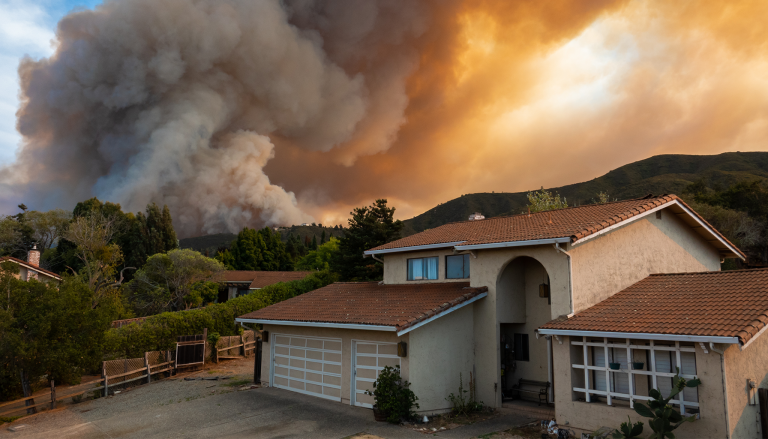
When you live in California, you learn to carry a quiet awareness that things can change fast. A normal afternoon can turn into a red-flag warning. A calm night can shift with the smell of smoke. For most people, that awareness sits in the background. But for individuals with impairments—and the families who support them—it’s never just background noise. It’s personal. Because when something goes wrong, the margin for error is smaller.
Preparedness, in this world, doesn’t look like a checklist taped to the fridge. It looks like thinking through the moments no one else sees. What happens if the power goes out and a mobility device needs charging? What happens if a caregiver can’t make it through a road closure? What happens if you have ten minutes to leave, not an hour?
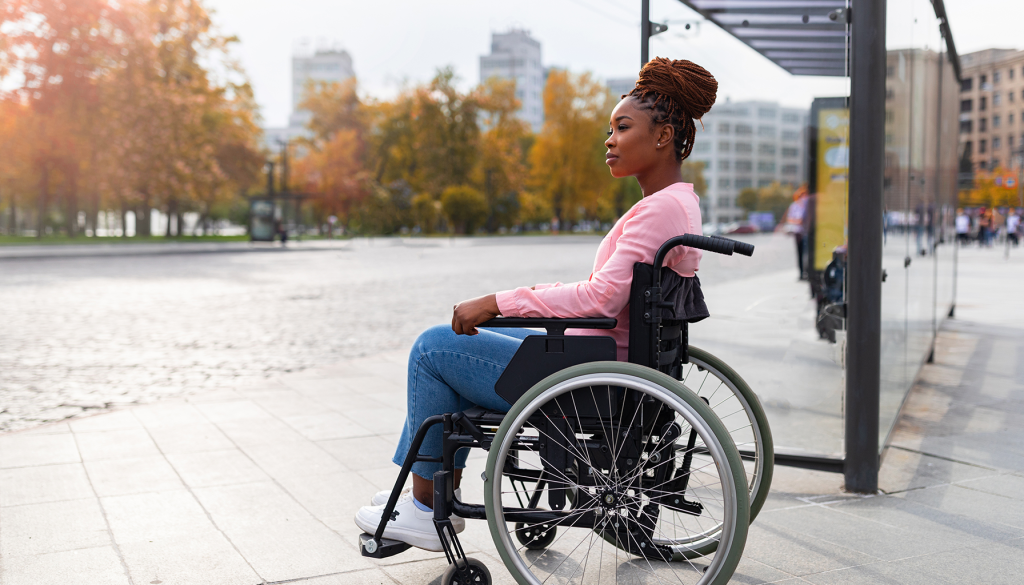
The truth is, most families don’t feel fully prepared. Not because they don’t care, but because planning for disaster while already managing daily care can feel overwhelming. And sometimes, it’s easier not to think about it at all.
But the families who have been through it will tell you—having even a loose plan changes everything.
It starts with small, human things. Knowing what matters most if you have to leave quickly. Medications, yes. Documents, of course. But also the items that bring comfort and stability in unfamiliar environments. A communication device. A familiar blanket. Something that helps regulate when everything else feels out of control. Preparedness isn’t just about survival—it’s about preserving dignity in the middle of chaos.
There’s also something to be said for redundancy. If one plan fails, what’s the backup? If your primary caregiver can’t get to you, who can? If your home isn’t accessible during an evacuation, where will you go that is? These aren’t easy questions, but they’re the ones that matter when systems break down.
Technology helps, but only to a point. Phones die. Wi-Fi disappears. Apps don’t always load when you need them most. That’s why some families still keep things written down—contacts, medical needs, instructions—because in a real emergency, simple can be reliable.
And then there’s the physical space you live in. More and more families are starting to think about their homes differently—not just as places to live, but as places that can protect. That might mean clearing defensible space around the house in fire-prone areas, reinforcing entry points against flood water, or having backup power solutions that keep essential equipment running. These aren’t luxuries for many families—they’re peace of mind.
Some California-based companies are doing meaningful work in this space. Service Champions Heating & Air Conditioning helps families install backup generators and HVAC systems that can handle extreme conditions, which can be critical when someone in the home is medically fragile. Fire Safe Marin focuses on wildfire prevention and defensible space education, offering guidance that’s practical and grounded in real scenarios. And California Mobility works with families to make homes more accessible, which can make evacuations faster and safer when every second counts.
What’s often overlooked is how emotional all of this is. Planning for disaster forces you to imagine worst-case scenarios for the people you love most. That’s not easy. But there’s also something empowering about it. Because each small step—writing down a plan, having a conversation, making a home a little safer—is a way of taking back control.
There’s no perfect plan. There’s no version of preparedness that removes all risk. But there is a version that gives you a better chance, a clearer path, and a little more confidence if something does happen.
And in moments when everything feels uncertain, that can make all the difference.