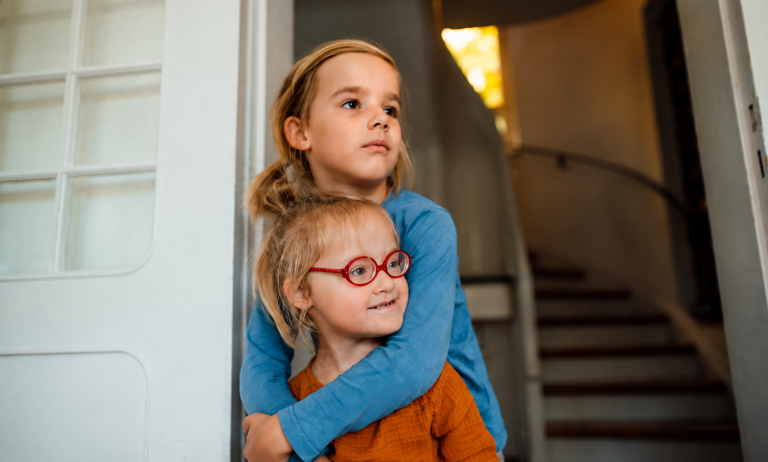
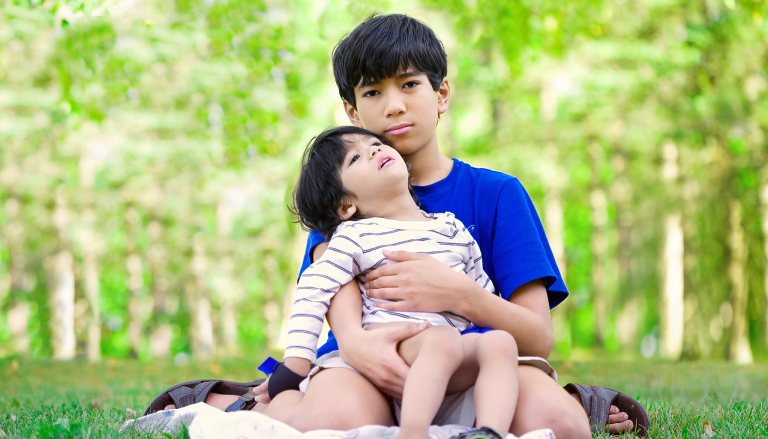
There’s a group of people in the disability community who are almost always present, deeply impacted, and rarely centered in the conversation.
Siblings.
Not the ones receiving services, therapies, or evaluations—but the ones quietly growing up alongside it all.
If you are one of those siblings, this is for you.
A Special Relationship
Because what you’ve experienced is real, even if no one ever sat you down and said it out loud.
You probably learned early that your family was different. Maybe your home had more appointments, more urgency, more unpredictability. Maybe your parents were stretched thin, doing everything they could just to keep things together. And somewhere in that, you learned—without anyone explicitly telling you—that your needs might have to wait.
That’s a heavy lesson for a child.
A lot of siblings carry a mix of emotions that don’t always make sense, even to themselves. You can love your brother or sister deeply and still feel jealous of the attention they receive. You can be fiercely protective and still feel angry about what your family has gone through. You can feel proud of how strong you’ve become and still feel incredibly alone.
All of those feelings can exist at the same time. And none of them make you a bad person.
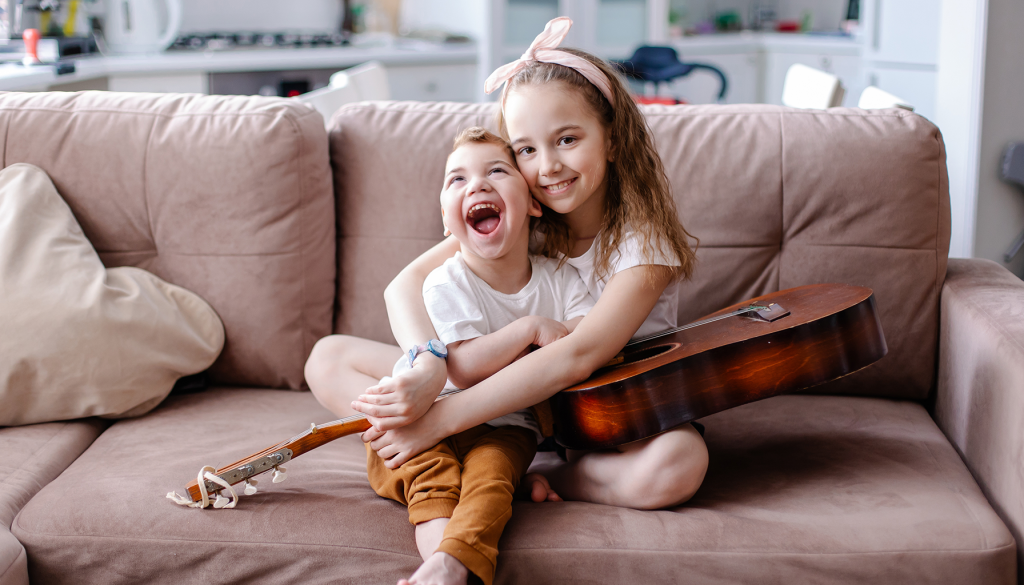
Isolation is one of the most common experiences siblings describe. It’s not always obvious from the outside. You may have had friends, school, activities—but still felt like no one really understood your home life. It can be hard to explain why things feel different, or why you carry a level of awareness and responsibility that most kids your age didn’t have to.
Loneliness can show up in quiet ways. Sitting in the back seat while your parents focus on a crisis. Watching plans get canceled. Learning not to ask for too much because you can see how much is already on everyone’s plate.
Jealousy is often the hardest emotion to admit. But it’s real. Wanting more time, more attention, more normalcy doesn’t take away from your love—it just means you’re human.
Anger can build over time, especially if there wasn’t space to express it. And sadness can sit just beneath the surface, especially when you look back and realize how much you processed on your own as a child.
But there’s another side to this story that deserves to be seen too.
The Heart of the Matter
A Place to Lean On
Siblings often develop a level of empathy, emotional intelligence, and resilience that is incredibly rare. You learned how to read a room. You learned how to step up. You learned how to care about others in a way that goes far beyond your years.
That doesn’t mean it didn’t cost you something. Two things can be true at once—you can be strong and still deserve support. You can be proud of who you’ve become and still grieve parts of your childhood. You can love your sibling completely and still wish things had been easier.
If no one has told you this before: you handled more than most children ever should have to. And the fact that you’re here, reflecting on it, means you’ve already done a tremendous amount of emotional work.
You don’t have to carry it alone anymore.
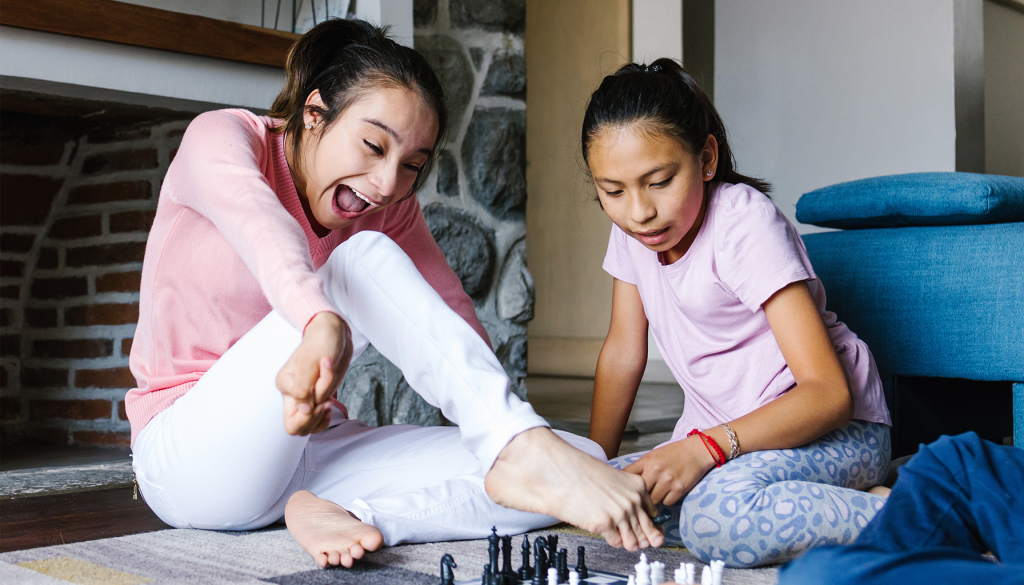
There are communities and resources specifically for siblings who grew up in families impacted by disability, medical trauma, or chronic conditions. Talking to people who get it can be incredibly validating.
You might consider exploring organizations like Sibshops, which create spaces for siblings to connect and share experiences, or Sibling Leadership Network, which offers resources and advocacy for siblings across the country. For mental health support, National Alliance on Mental Illness provides education and support groups, and Psychology Today can help you find therapists who understand family dynamics like yours.
If you’re not ready for that yet, even just reading, reflecting, or having one honest conversation with someone you trust can be a powerful start.
Your experience matters. Your feelings are valid. And your story deserves just as much care and attention as anyone else’s in your family.