
There’s a moment that happens in a lot of homes I work with that doesn’t get talked about enough. It’s usually late at night. The house is finally quiet, but the caregiver—often a parent—isn’t really resting. They’re listening. Waiting. Half asleep, half on alert. That constant state of “on” becomes normal, even though it shouldn’t be.
That’s where a live-in IHSS provider can quietly change everything.
Everyone Needs a Break
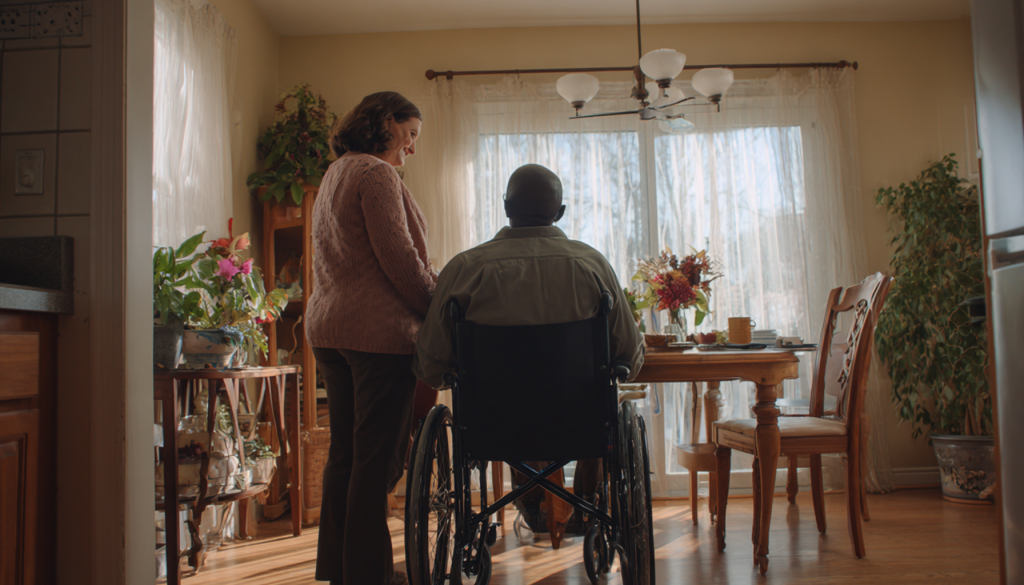
On paper, it sounds simple. Someone lives in the home and provides care. But in real life, it’s not just about coverage—it’s about shifting the entire energy of a household. There’s a level of consistency and stability that’s hard to replicate with hourly or rotating providers. You’re not constantly re-explaining routines, preferences, triggers, or medical needs. You’re not managing a schedule of different personalities coming in and out. Instead, there’s one person who truly knows the rhythm of the home.
And that matters more than people realize.
For recipients, especially those with cognitive impairments, developmental disabilities, or medical fragility, familiarity is everything. Transitions can be stressful. New faces can create anxiety. A live-in provider becomes part of the environment, not a disruption to it. Over time, that relationship builds trust in a way that can’t be rushed. Care becomes more intuitive. Needs are anticipated instead of reacted to.
For families, the impact is just as real—but often harder to admit out loud. Relief. Not the kind where everything is suddenly easy, but the kind where you can finally exhale a little. You can sleep more deeply knowing someone is there. You can step out for a few hours without feeling like you’re leaving everything behind. You can be a parent, a spouse, or just a person again—not only a caregiver.
There’s also a practical side that people don’t always think about. With a live-in provider, you’re reducing gaps in care. Emergencies are handled faster. Overnight needs don’t turn into crises. Daily routines—meals, hygiene, medications—become more consistent. That consistency often leads to better outcomes overall, both physically and emotionally.

Is Live-In Provider for You?
Of course, it’s not a perfect fit for every situation. Inviting someone to live in your home is a big decision. It requires trust, clear boundaries, and good communication. The right match matters more than anything. But when it works, it can feel less like hiring help and more like gaining a steady presence that supports the entire household.
I’ve seen families go from completely overwhelmed to finally feeling like they have a system that works. Not because everything changed overnight, but because they weren’t carrying it alone anymore.
And that’s really what this comes down to. IHSS isn’t just about hours on a timesheet—it’s about how those hours show up in real life. A live-in provider doesn’t just fill time. They bring continuity, stability, and a level of support that allows families to function again in a healthier, more sustainable way.
If you’re in a position where care feels constant and exhausting, it may be worth considering. Not as a last resort, but as a different kind of solution—one that’s built around presence, not just coverage.