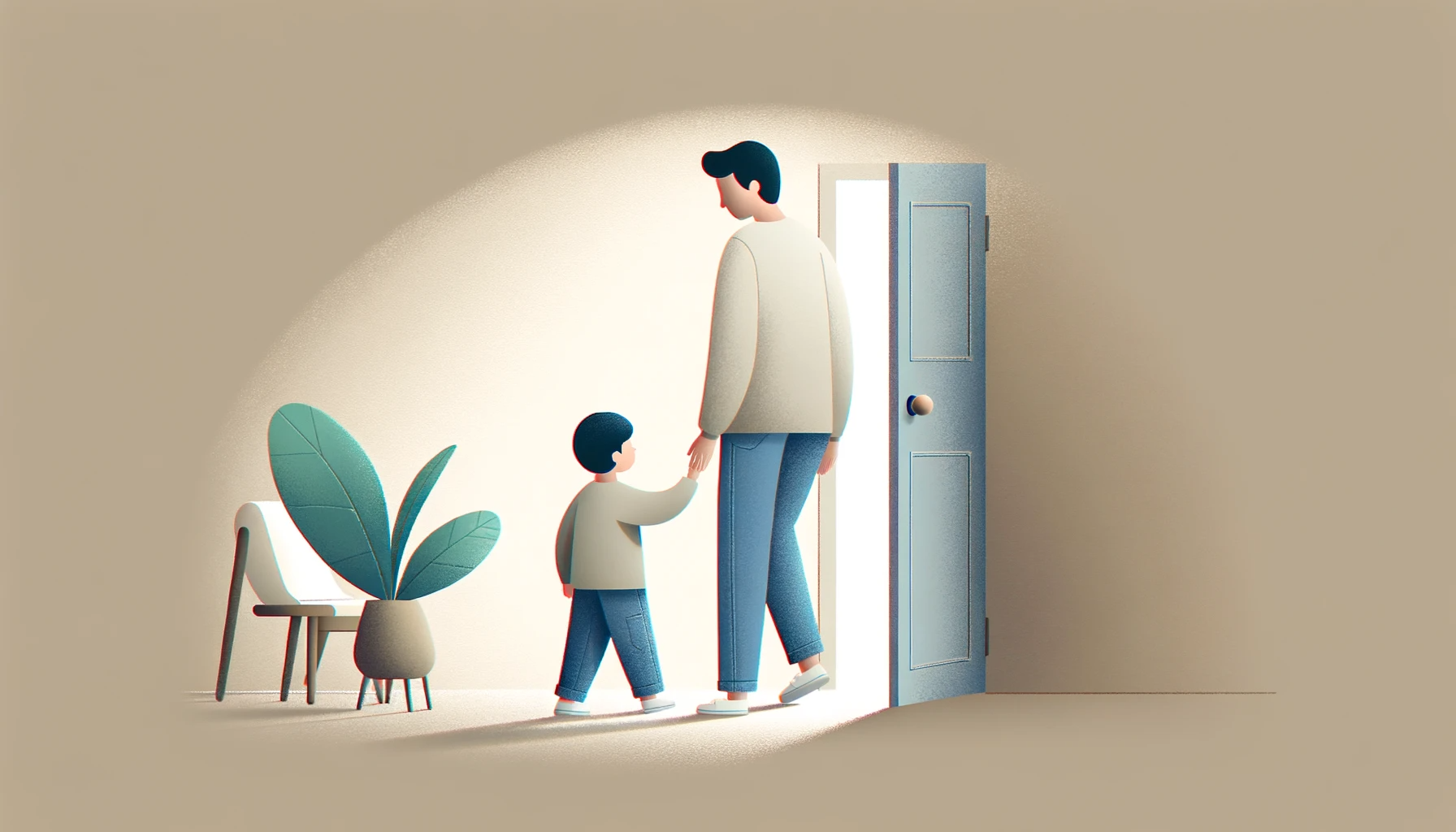

Understanding the Need for Therapy in Children
Like they depend on pediatricians for their physical wellbeing, parents may seek the help of therapists for their child’s mental and emotional health. Meredith Little, a licensed professional counselor and founder of Kinship Holistic Psychotherapy, points out that mental health issues can emerge at any stage, often triggered by life changes such as starting a new school, welcoming a new sibling, or coping with loss or divorce. Signs like abrupt shifts in behavior or mood indicate that a child might benefit from therapy.
Challenges in Introducing Therapy to Children
Proposing therapy to children can be challenging. Kids may be apprehensive about meeting a new person or hold misconceptions about therapy, leading to resistance. However, there are strategies to help them view therapy positively.
Insights on Therapy's Benefits for Children and Parents
Therapy teaches emotional regulation and expression, as Little explains. It offers a unique support system for children, providing a neutral space that parents, due to emotional involvement, might not always be able to give. According to Dr. Ryan Sultán, a psychiatrist and child therapist, therapy enhances self-awareness and coping mechanisms. Little adds that therapy benefits the entire family, allowing parents to gain insights and growth, setting a positive example for their children.
Common Reasons Behind a Child's Reluctance to Attend Therapy
Children might resist therapy due to fear, stigma, or misconceptions, states Sultán. Heidi McBain, a licensed therapist, highlights common myths children might believe about therapy, such as it being boring, awkward, or perpetual. It’s crucial to debunk these myths and reassure children about the therapist’s role in easing the process. McBain also stresses the importance of addressing stigmas and fears, including concerns about judgment or confidentiality.
Strategies for Motivating Children to Embrace Therapy
For resistant children, experts suggest age-appropriate encouragement and validation of their feelings. Brittany Beispel, a licensed clinical social worker, advises acknowledging the child’s emotions while maintaining the therapy plan. Effective communication, involving children in decisions, and addressing their concerns can make therapy seem more like a helpful tool than a burden.
Approaches Tailored to Different Age Groups
For younger children, simplifying the concept of therapy and using relatable examples can be effective. Middle schoolers may benefit from discussions about the normalcy of seeking mental health support and the importance of self-awareness. Involving teenagers in choosing their therapist and emphasizing therapy’s confidentiality and benefits can encourage their participation. Langham, a child psychologist, emphasizes the importance of respecting a teenager’s growing independence while providing clear guidance.
Dealing with Persistent Refusal
In cases where a child still refuses therapy, Beispel suggests using positive reinforcement and continuing to highlight therapy’s benefits. Meeting a therapist without the child for parental guidance can also be beneficial. Keeping the door open for future therapy is important, as children’s attitudes can change over time.
Final Thoughts
Open, honest communication is key in presenting therapy to children. Explaining the benefits, what to expect, and how it addresses their concerns can help children view therapy as a helpful resource. Therapy equips children with skills to manage emotions and life’s challenges, making involvement in the process crucial for success.
Read more
More guides from IHSS Connect
- California Children's Services: The Hidden Medi-Cal Benefit Most Parents Never Know About→
- Raising a Child With a Disability Without Enough Help: Where California Parents Can Turn→
- The Benefits of Enrolling Children in Organized Sports→
- Working From Home With Kids: A Guide for California Parents→
- A Parent’s Guide to California’s Support System for Children with Disabilities→
- Supporting Your Child's Learning Journey Beyond the Classroom→

IHSS in Marin County: How to Apply, What Providers Earn, and How Golden Gate Regional Center Fits In
In-Home Supportive Services (IHSS) pays for help at home so people who are older, blind, or have a disability, including children, can stay safely where they live. In Marin County, IHSS served 2,581 people in September 2026, according to state program data.

Los Angeles County Has Seven Regional Centers. Here’s Which One Serves You.
California has 21 regional centers that serve people with developmental disabilities. Most counties are served by one center, and many centers cover several counties. Los

The Family Who Designed Their Own Services: What California’s Self-Determination Program Lets You Do
Most regional center services come from a menu. The regional center authorizes a service, picks from its list of vendored providers, and pays them. That


