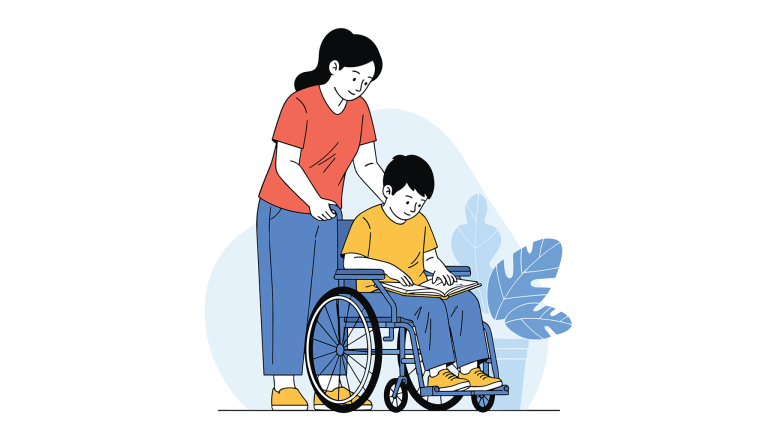
For many California families raising a child or caring for an adult with significant disabilities, respite care is not a luxury—it is survival. It is the difference between making it through the week and burning out completely. It is a few hours to attend another child’s school event, go to a doctor’s appointment, sleep through the night, or simply sit in silence without listening for a seizure monitor. Families often hear the word “respite” and immediately think of Regional Center services, and for good reason. Regional Centers are one of the most common places families first encounter formal respite support. But what many people do not realize is that Regional Center funding is only one piece of the puzzle.
In California, there are multiple systems that can help fund respite care depending on the person’s age, diagnosis, medical needs, income, insurance, and service eligibility. Some programs call it respite directly. Others provide caregiver relief through services with completely different names. Families who only ask whether they qualify for respite through Regional Center often miss opportunities sitting right next to them.
Regional Center Services: The Starting Point for Most Families
Regional Centers remain the most well-known source of respite funding for individuals with developmental disabilities. Through California’s Regional Center system, eligible consumers may receive respite services as part of their Individual Program Plan, often referred to as an IPP. This can include in-home respite, out-of-home respite, parent relief services, or vendored respite providers depending on the family’s needs and the Regional Center involved. Families are often introduced to this through their service coordinator, but access can vary widely depending on urgency, staffing availability, and how clearly the need is documented.
Many parents make the mistake of asking for respite only when they are already in crisis. A stronger approach is to consistently document caregiver exhaustion, medical complexity, behavioral concerns, elopement risks, sleep disruption, and the impact on siblings and the family unit as a whole. Respite is not supposed to be reserved only for emergencies. It exists because long-term caregiving is exhausting, even when families are doing everything right. The more clearly that reality is documented, the easier it becomes for service coordinators to justify support.
Self-Determination Program and Flexible Respite Options
For families participating in the Self-Determination Program, respite can look very different. While SDP still operates under the Regional Center umbrella, it offers much more flexibility than traditional vendored respite services. Families may be able to hire workers more directly, create schedules that actually match real life, and avoid the common frustration of being assigned providers who are unavailable when help is needed most. For many families, SDP becomes the most practical form of respite because it allows them to design support around their child instead of forcing their child into a rigid provider system.
IHSS: Respite by Another Name

Outside of Regional Center services, IHSS—In-Home Supportive Services—is often one of the most powerful but misunderstood sources of caregiver relief. IHSS does not officially label itself as respite care, but for many families, that is exactly how it functions. Approved hours for personal care, protective supervision, meal preparation, mobility assistance, and other daily support tasks can create breathing room for exhausted parents and family caregivers. A parent may still be deeply involved, but having another approved provider step in for part of the day can make the difference between functioning and collapse.
This becomes especially important in Protective Supervision cases. Families caring for children or adults who require constant monitoring due to dangerous behaviors, self-injury risks, wandering, seizures, or impaired judgment often find that IHSS hours create the only reliable form of relief available. It may not be called respite in the paperwork, but in real life, it absolutely is.
Medi-Cal Waivers and HCBS Programs
Medi-Cal waiver programs also play a major role. California offers several Home and Community-Based Services waivers, often called HCBS waivers, that can include caregiver support and respite-like services. These may include the HCBA Waiver, nursing facility diversion programs, medically fragile child pathways, and Community Supports programs offered through managed care plans. Families with children who have feeding tubes, trachs, seizure disorders, mobility impairments, or intensive medical needs often qualify for support through systems they never realized existed because nobody explained how waiver services worked.
These services may show up as in-home nursing, attendant care, habilitation support, or temporary caregiver relief rather than the word respite itself. This is why families should stop asking only whether they qualify for respite and start asking which system can help pay for caregiver relief. The answer is often hidden under a different label.
Veteran Benefits and Caregiver Support
Veteran families should also look closely at benefits through the U.S. Department of Veterans Affairs. If the disabled individual is a veteran—or if the caregiving situation involves veteran-related support—VA respite services can be incredibly valuable.
These may include in-home respite, adult day health programs, homemaker and home health aide services, or even short-term residential respite. Many families never think to ask because they assume VA support only applies to the veteran directly, but caregiver support programs can be substantial when properly explored.
County Programs and Local Support Resources
County resources are another overlooked option, especially for older adults and adults with disabilities who may not qualify for Regional Center services. Area Agencies on Aging, Family Resource Centers, county caregiver support programs, and Family Caregiver Support Programs often provide respite grants, vouchers, temporary relief services, or referrals to subsidized providers. These programs may not be large enough to cover full-time care, but even small support can prevent major family breakdowns.
Nonprofit Grants and Diagnosis-Specific Foundation
Nonprofit organizations can also help fill the gaps. Diagnosis-specific foundations for autism, epilepsy, cerebral palsy, rare diseases, pediatric brain injuries, and other disabilities often provide grants for respite care, emergency caregiver funding, or family support programs. Hospital social workers are often the best people to ask because they see these grant opportunities regularly and know which organizations are actually responsive. Sometimes a $1,000 grant for temporary respite can be the thing that keeps a family from hitting complete burnout.
School Programs Can Help Too
Schools can even function as part of a respite strategy, although families do not always think of them that way. Extended school year services, after-school behavioral programs, therapeutic recreation, adaptive camps, and structured community programs can create safe, supported time that gives parents relief. It may not be called respite on paper, but if a parent gets four hours where their child is supported by trained professionals and they can breathe, it counts.
Private Insurance and Employer Benefits
Even private employer benefits can sometimes provide unexpected help. Some employer-sponsored plans include caregiver assistance programs, dependent care benefits, or Employee Assistance Program resources that reimburse or subsidize respite-related expenses. This is especially common in larger union jobs or major employers. Families often overlook this because they never think to check HR paperwork for caregiver support language.
Building a Realistic Respite Plan
The truth is that the best respite plans are often built from multiple systems working together. A family might use Regional Center respite for weekends, IHSS for daily supervision, a nonprofit grant for emergency overnight care, and school services for weekday structure. Rarely does one program solve everything. The strongest support systems are usually built piece by piece.
Families should never feel guilty for asking for respite. Wanting help does not mean they are failing. It means they are human. Caregiver exhaustion is real, and pretending otherwise helps no one—not the parent, not the provider, and certainly not the person receiving care. Respite is not about escaping responsibility. It is about preserving the ability to keep showing up.
Regional Centers are often the starting point, and they should be. But they should not be the ending point. California families deserve to know that if one door closes, there are others. Sometimes the funding exists—it is just hidden behind a different program name, a different department, or a question nobody told them to ask.