
For families who rely on In-Home Supportive Services (IHSS), caregiving is not a convenience—it is a necessity. When a provider is late, sick, quits unexpectedly, or simply does not show up, the consequences are immediate. Meals may not get made. Medications may be delayed. Transfers become unsafe. A child who requires constant supervision may suddenly have none. For many families, there is no “backup plan” sitting quietly in the background.
This is one of the hardest truths about caregiving in California: the system depends heavily on stability, but life is often anything but stable.
IHSS provides essential funding for care, but it does not provide an emergency staffing department. When a provider calls out, families are often left scrambling—texting friends, posting in Facebook groups, calling relatives, or hoping someone knows someone who can help. In moments of real urgency, that kind of chaos is not just stressful. It can be dangerous.
That is exactly why IHSS Connect was created.
The Hidden Crisis of Backup Care
Most people outside of the disability community do not realize how fragile caregiving schedules can be. A missed shift for a typical job may be inconvenient. A missed shift in home care can become a medical crisis.
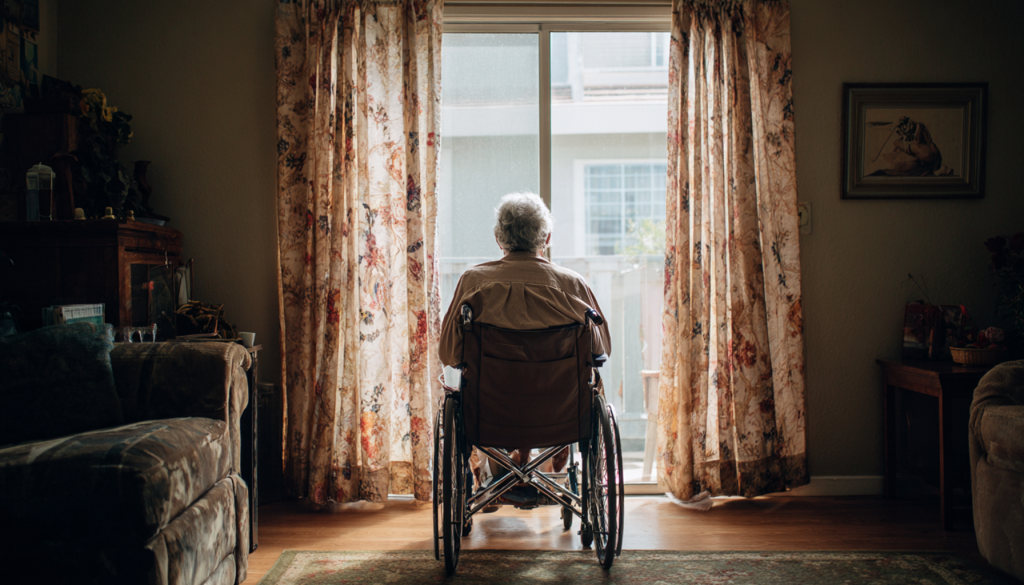
A parent caring for a child with autism who requires constant supervision cannot simply “run to the store” if a provider cancels. An adult with mobility limitations may be unable to get out of bed safely without assistance. Someone recovering from surgery may miss medication schedules, hygiene support, or transportation to treatment.
Emergency backup care is not a luxury. It is one of the most urgent needs families face.
Yet most counties do not provide a fast, direct solution for finding immediate replacement care.
Families are left to solve it themselves.
Why Facebook Groups Are Not a Real Safety Net
For years, many families have relied on social media groups to find caregivers quickly. At first glance, this feels convenient. Someone posts, “Need a provider ASAP in Los Angeles,” and dozens of comments appear.
But speed does not equal safety.
These groups often require families to publicly share personal information about disabilities, diagnoses, home situations, schedules, and vulnerable loved ones in front of thousands of strangers. There is little privacy, little accountability, and almost no meaningful screening.
Families are forced to trust profile pictures and comment sections.
Providers may be wonderful—or they may be people with no real experience, no background verification, and no understanding of what the role requires.
In caregiving, that risk is too high.
What Makes IHSS Connect Different
IHSS Connect was built specifically for California families navigating IHSS, WPCS, respite care, and related caregiving programs.
It is not a social media group. It is not a general job board. It is not a random caregiver marketplace. It is a state-of-the-art purpose-built platform created for one thing: helping California recipients and providers connect safely and directly.
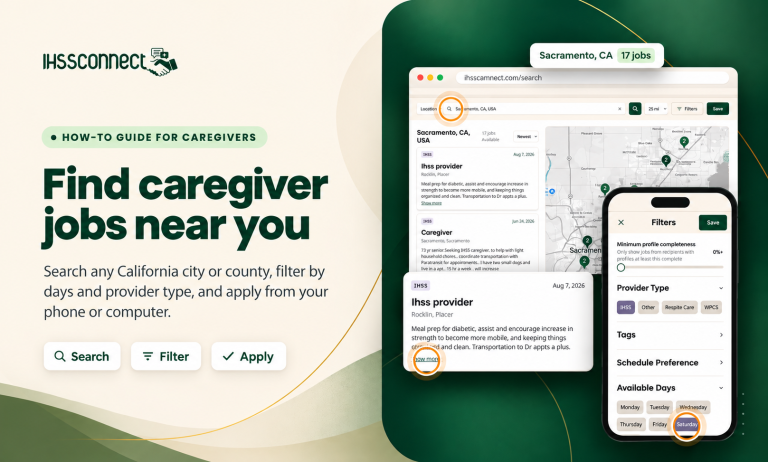
Families can search by county, provider name, or service needs. Providers can create detailed profiles and connect through recipient-created job opportunities. Communication is intentionally limited to recipient-to-provider interactions only—providers cannot message other providers, and recipient profiles are never publicly searchable.
That privacy structure matters.
Families should not have to expose their child’s medical details to the internet just to find help for tomorrow morning.
IHSS Connect protects that.
Free Access Matters
Many caregiving platforms charge families just to search for help. Others require monthly subscriptions from providers before they can even respond to opportunities. That model excludes the very people who need support most.
IHSS Connect is completely free for both recipients and providers across California. There are no hidden membership fees, no paywalls to access providers, and no pressure to upgrade just to communicate.
Families already carry enough financial pressure navigating disability, medical care, and household survival. Finding safe care should not require another monthly bill.
Accessibility includes affordability.
Backup Care Should Not Depend on Luck
The reality is simple: providers will get sick. Life emergencies will happen. Schedules will change. Families will need backup care.
The problem is not that emergencies happen. The problem is that families are often expected to face them alone. The goal should not be panic management. It should be preparation.
Having a trusted place to search before the emergency happens changes everything. It turns desperation into planning. It gives families options instead of last-minute fear.
That is where platforms like IHSS Connect become more than helpful—they become necessary infrastructure.
Building a Better System for Caregiving
California has one of the largest in-home care systems in the country, but families still struggle with one of the most basic questions:
“If my provider cannot come tomorrow, what do I do?”
That question should have a better answer.
IHSS Connect was built to help create one. Not through promises. Through practical access. Safe connections. Better visibility. Stronger privacy. Verified trust. Real options.
Because emergency backup care should not depend on luck, Facebook comments, or desperation. It should be something families can plan for with dignity.
And finally, now they can.