
For many California families navigating disability services, the term “Regional Center” comes up early—but rarely with a clear explanation.
Regional Centers are one of the most important—and often misunderstood—parts of California’s support system for individuals with developmental disabilities. They are not medical providers, and they are not government agencies in the traditional sense. Instead, they operate as nonprofit organizations under contract with the state, designed to coordinate and secure services that help individuals live more independent, meaningful lives.
To understand why Regional Centers matter so much, it helps to understand where they came from.
California’s Regional Center system was born out of a movement in the 1960s led by families who wanted something better for their children. At the time, individuals with developmental disabilities were often placed in institutional settings, with limited access to education, community life, or individualized care. Parents and advocates pushed for a different model—one that prioritized dignity, inclusion, and the ability to live at home or in the community.
This vision led to the passage of the Lanterman Developmental Disabilities Services Act, a landmark California law that established the right of individuals with developmental disabilities to receive services and supports needed to live more independently. That law still governs the system today.
You can learn more about the program here.
21 Regional Centers
Under this system, California is divided into regions, each served by a designated Regional Center. These centers are responsible for coordinating services for individuals who qualify, including children and adults with conditions such as autism, cerebral palsy, epilepsy, and intellectual disabilities.
But what makes Regional Centers unique is not just what they provide—it’s how they operate.
Rather than delivering services directly, Regional Centers act as coordinators and advocates. Each individual who qualifies is assigned a service coordinator who works with the family to develop an Individual Program Plan (IPP) or Individualized Family Service Plan (IFSP). These plans outline the specific supports needed, which may include therapies, respite care, behavioral services, supported living, or early intervention programs.
This individualized approach is what allows the system to adapt to each person’s needs rather than forcing people into a one-size-fits-all model.
For families, Regional Centers often become the backbone of long-term support.
They help navigate complex systems, connect families with providers, and fund services that would otherwise be out of reach. For parents of children with developmental disabilities, especially those newly diagnosed, Regional Centers can be the first place where they find guidance, structure, and reassurance that they are not alone.
They also play a critical role in early intervention. For children under age three, Regional Centers provide services that can significantly impact long-term development. Speech therapy, occupational therapy, and developmental services offered during these early years can change the trajectory of a child’s life.
For adults, Regional Centers continue to provide support through employment services, independent living programs, and community integration. The goal remains the same at every stage: to help individuals live as independently and fully as possible.
And while Regional Centers are designed to support individuals with developmental disabilities, their impact extends far beyond that.
They reduce strain on healthcare systems, support family stability, and help individuals remain active members of their communities. In doing so, they contribute to a stronger, more inclusive California.
You can find your regional center here.
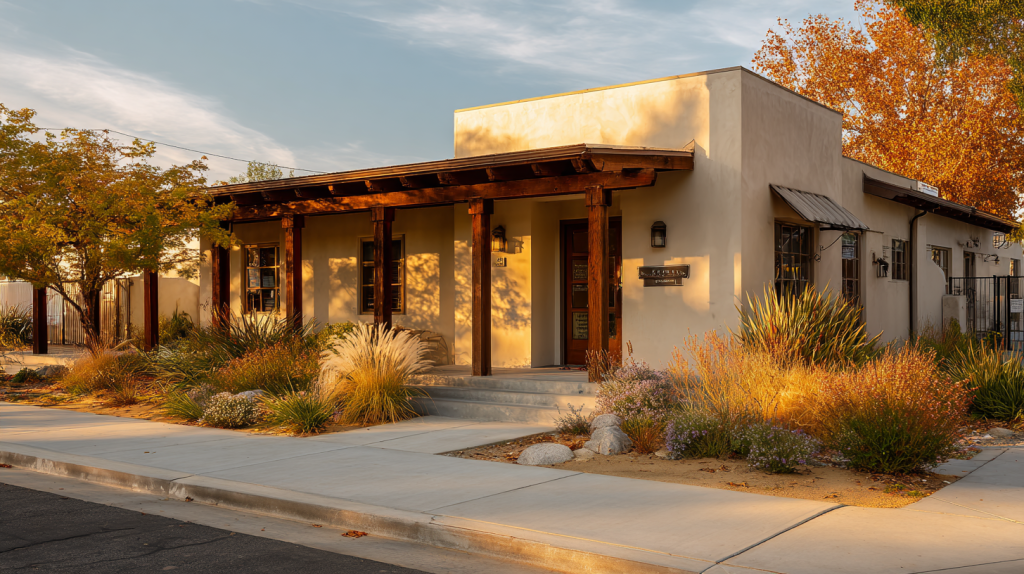
At the same time, families often find that navigating Regional Center services can be challenging. Eligibility, service approvals, and coordination can take time, and not all needs are automatically met. Many families learn that building a strong support network—both within and outside the Regional Center system—is essential.
This is where programs like IHSS and tools like IHSS Connect come into play.
While Regional Centers coordinate and fund many critical services, IHSS provides in-home support that allows individuals to remain safely in their homes. Together, these systems can complement each other in powerful ways. And once services are authorized, families still need to find the right caregivers to bring that support to life.
IHSS Connect was built to help bridge that gap.
It gives families and caregivers across California a simple, free way to connect, communicate, and find the right fit. For families already working with Regional Centers, it becomes an additional tool to make services more actionable and accessible in real life.
Understanding how Regional Centers work is one of the most important steps a family can take when navigating disability services in California. They are more than just a resource—they are a foundation for long-term support, advocacy, and opportunity.
And when combined with the right tools and community, they can help families move from simply managing day-to-day challenges to building a more stable and supported future.
If you’re looking to connect with caregivers or support your family’s care needs, you can get started for free at:
https://ihssconnect.com