Welcome to our comprehensive guide on making your home a safer and more comfortable space, especially tailored for IHSS (In-Home Supportive Services) recipients. We understand the unique challenges you face and are here to help you navigate through them.
First and foremost, it’s crucial to assess your individual needs. IHSS recipients often require specific modifications to enhance safety and mobility. Whether it’s installing grab bars in the bathroom, ensuring wheelchair accessibility, or setting up a medical alert system, the adaptations should cater to your personal requirements.
Falls are a major concern for many IHSS recipients. To combat this, consider:
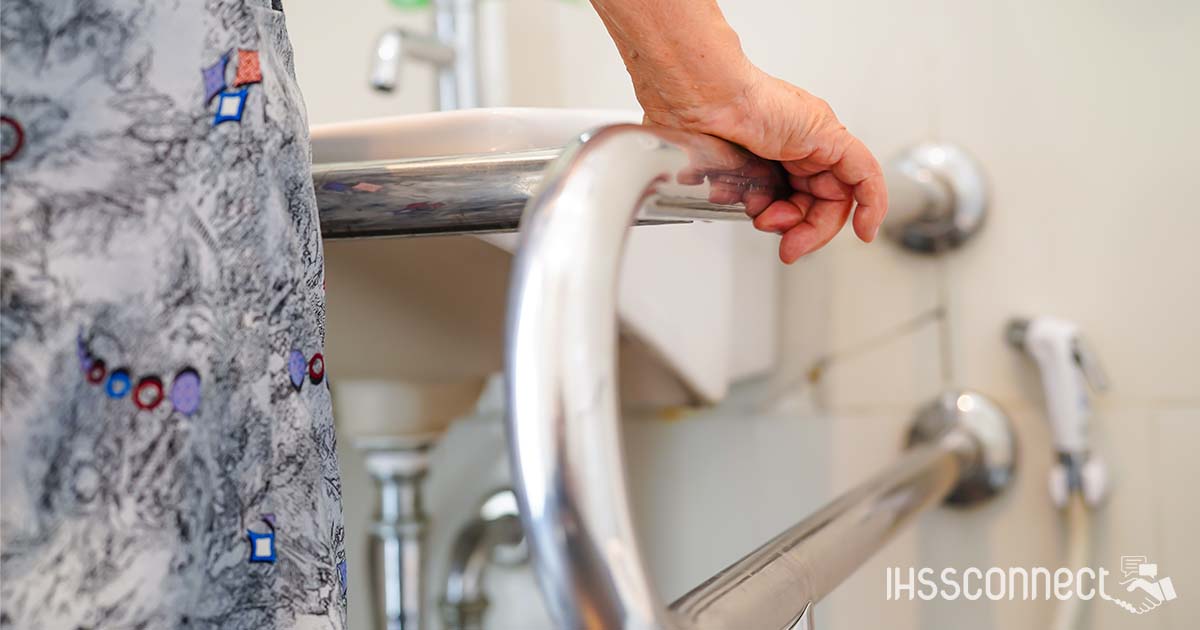
The bathroom can be a hazardous area, but these tips can help:
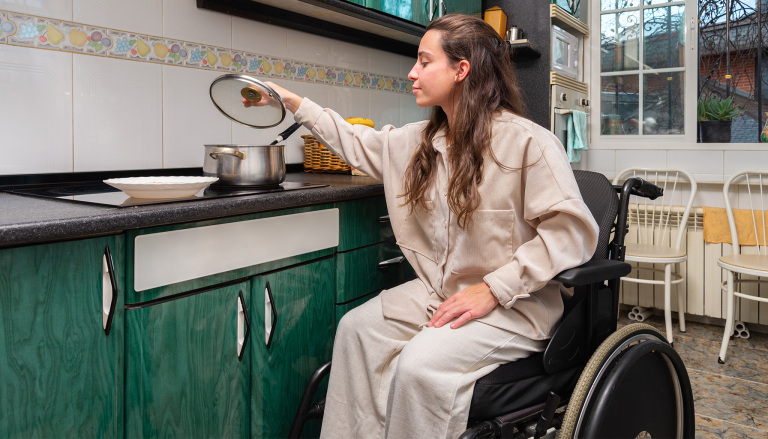
Making your kitchen more accessible can significantly enhance independence:
Leverage technology for additional safety:
For those using mobility aids:
Sometimes, professional assistance is needed. Occupational therapists can provide personalized recommendations, and there are contractors who specialize in home modifications for the elderly and disabled.
IHSS does not cover any home modifications, but there are grants and programs available to help with costs. It’s worth exploring these options. T
Regularly check that all modifications are in good working order. This ensures your home remains a safe haven.
Remember, adapting your home is about creating a space that supports your independence and safety. It’s more than modifications; it’s about enhancing your quality of life.
We hope this guide empowers you to make the best decisions for a safer, more comfortable home. Stay safe and live independently!
Our website uses cookies and other online tracking technologies ("Cookies") to enhance website navigation, improve user experience, and provide marketing and advertising. By continuing to use the website, you consent to our use of Cookies as described in our Privacy Policy and Terms and Conditions.